Why Do Sight Glasses Break? Common Causes and How to Prevent Failure
Industrial sight glasses are designed to operate safely under demanding conditions, including high pressure, elevated temperatures, corrosive chemicals, and continuous production cycles. However, even high-quality sight glasses can fail if they are improperly selected, incorrectly installed, or operated beyond their design limits.
Unexpected sight glass breakage is more than just a maintenance issue. It can lead to production downtime, product contamination, equipment damage, environmental hazards, and even serious safety incidents. Understanding why sight glasses fail is therefore essential for plant engineers, maintenance technicians, purchasing managers, and equipment manufacturers.
This guide explains the most common causes of sight glass failure, the warning signs before breakage occurs, and practical methods to maximize service life in industrial applications.
Quick Answer
Most industrial sight glass failures are caused by thermal shock, excessive pressure, improper installation, chemical attack, mechanical impact, or long-term material fatigue. Selecting the correct material and following proper installation procedures significantly reduces the risk of failure.
Table of Contents
- Why Sight Glass Failure Matters
- Cause 1 – Thermal Shock
- Cause 2 – Excessive Pressure
- Cause 3 – Improper Installation
- Cause 4 – Chemical Corrosion
- Cause 5 – Mechanical Damage
- Cause 6 – Material Fatigue
- Warning Signs Before Failure
- How to Prevent Sight Glass Breakage
- Replacement Recommendations
- Frequently Asked Questions
Why Sight Glass Failure Matters
A sight glass is one of the few components in an industrial system that combines transparency with pressure resistance. Unlike steel or stainless steel, transparent materials must withstand mechanical stress while maintaining optical clarity.
When a sight glass fails, operators immediately lose visibility into the process. More importantly, a broken viewing window may release hot liquids, steam, gas, or aggressive chemicals into the surrounding environment.
In industries such as pharmaceuticals, food processing, petrochemicals, and fine chemicals, unexpected glass failure often results in production shutdowns, expensive cleaning procedures, and equipment inspections.
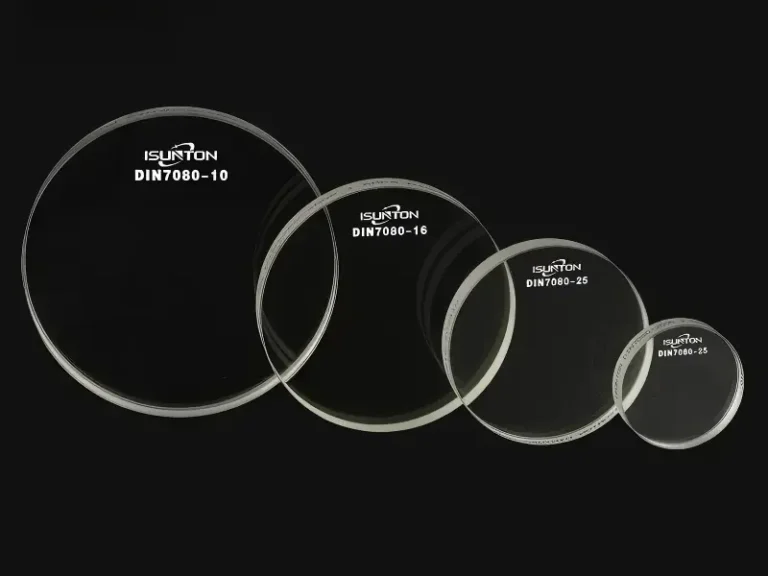
For pressure vessels operating under international standards such as DIN 7080 or DIN 7081, selecting the correct glass type and replacing damaged components before failure are essential maintenance practices.
Expert Tip
Many failures are not caused by poor glass quality. Instead, they result from operating conditions exceeding the original design limits. Always verify operating temperature, pressure, gasket compatibility, and tightening torque before installation.
Cause 1 — Thermal Shock
Thermal shock is one of the leading causes of industrial sight glass failure. It occurs when one side of the glass experiences a rapid temperature change while the opposite side remains relatively cool.
For example, introducing cold cleaning water into a hot reactor or exposing a cold sight glass to high-temperature steam creates internal stress. Because glass expands and contracts with temperature changes, uneven heating produces tensile stress that may exceed the material’s strength.
Although borosilicate glass is specifically engineered for excellent thermal shock resistance, every material has a maximum allowable temperature difference. Repeated thermal cycling accelerates microscopic crack formation, eventually leading to catastrophic failure.
Quartz glass generally performs better under rapid temperature changes because of its extremely low thermal expansion coefficient, while sapphire offers exceptional mechanical strength but still requires proper thermal management.
Typical Thermal Shock Scenarios
- Cold water flushing immediately after high-temperature production.
- Steam sterilization followed by rapid cooling.
- Outdoor equipment exposed to freezing temperatures before startup.
- Uneven heating from localized burners.
- Improper cleaning procedures during maintenance.
Recommended Solution
- Allow gradual heating and cooling.
- Avoid sudden temperature changes.
- Select borosilicate or quartz glass for high-temperature service.
- Monitor process temperature continuously.
- Replace damaged glass immediately if cracks appear.
Cause 2 — Excessive Pressure
Pressure overload is another common reason for sight glass breakage. Every sight glass is manufactured with a maximum allowable working pressure based on its material, thickness, diameter, installation method, and applicable standards.
When operating pressure exceeds the design limit, the glass experiences increasing tensile stress. Even if the pressure spike lasts only a few seconds, repeated overload events gradually weaken the material and significantly increase the probability of sudden failure.
Pressure-related failures often occur after process modifications, pump upgrades, blocked pipelines, pressure surges, or incorrect component selection.
For demanding applications above standard operating pressures, engineers frequently choose thicker borosilicate glass, reinforced sight glass assemblies, or sapphire windows because of their superior mechanical strength.
Continue Reading
In Part 2, we will discuss improper installation, chemical corrosion, mechanical impact, material fatigue, warning signs before failure, and provide a complete troubleshooting table to help engineers identify potential problems before they become safety hazards.
Cause 3 — Improper Installation
Improper installation is one of the most underestimated reasons for sight glass failure. Even a high-quality industrial sight glass manufactured from premium borosilicate, quartz, or sapphire material can fail prematurely if installation procedures are not followed correctly.
Unlike metal components, glass materials have excellent compressive strength but limited resistance to tensile stress. Incorrect installation can create uneven forces across the glass surface, resulting in stress concentration areas that may eventually develop into cracks.
Common installation problems include excessive bolt tightening, incorrect gasket selection, uneven flange pressure, contamination between sealing surfaces, and misalignment during assembly.
When bolts are tightened unevenly, the sight glass may experience localized mechanical stress. Although the glass may appear normal after installation, microscopic damage can develop and cause sudden failure during operation.
Common Installation Mistakes
- Over-tightening flange bolts and creating excessive stress.
- Using incorrect gasket materials that do not match the operating temperature or chemical medium.
- Installing damaged glass with small chips or scratches.
- Uneven pressure distribution around the sealing surface.
- Incorrect installation angle or equipment alignment.
Recommended Installation Practice
- Clean all sealing surfaces before installation.
- Use the recommended gasket type and thickness.
- Tighten bolts gradually using a cross-pattern method.
- Follow manufacturer torque recommendations.
- Never reuse damaged gaskets or scratched glass.
For applications such as DIN 7080 sight glasses and DIN 7081 level gauge glasses, proper installation is especially important because these products are often used in pressure vessels, boilers, and process equipment where safety requirements are strict.
Cause 4 — Chemical Corrosion and Material Compatibility
Chemical compatibility is another critical factor affecting sight glass service life. Although glass is generally considered chemically resistant, different glass materials have different resistance levels depending on the chemical environment.
Some aggressive chemicals can attack the glass surface over long periods, causing surface deterioration, reduced transparency, microscopic cracks, and eventually complete failure.
For example, hydrofluoric acid can seriously damage most glass materials, while strong alkaline solutions may slowly affect certain glass compositions. In chemical processing industries, selecting the correct glass type is essential to ensure long-term reliability.
Chemical Factors That May Affect Sight Glass Performance
- Strong acids and alkaline solutions.
- High-temperature chemical reactions.
- Continuous exposure to aggressive cleaning agents.
- Chemical deposits causing surface damage.
- Unexpected process changes introducing new media.
| Glass Material | Chemical Resistance | Typical Application |
|---|---|---|
| Borosilicate Glass | Excellent for most industrial chemicals | Chemical plants, pipelines, vessels |
| Quartz Glass | Excellent resistance and high purity | Semiconductor, high temperature systems |
| Sapphire Glass | Very high resistance and durability | Extreme environments |
Material Selection Recommendation
Always confirm chemical compatibility before selecting a sight glass. For general industrial applications, borosilicate glass provides an excellent balance between performance and cost. For highly demanding environments, quartz or sapphire may provide better reliability.
Cause 5 — Mechanical Damage and External Impact
Mechanical impact is another common reason why sight glasses fail. Unlike metals, glass materials are hard but brittle. A small impact, scratch, or surface defect can become a starting point for cracks under operating pressure.
Mechanical damage may happen during transportation, installation, maintenance, or daily operation. For example, accidentally hitting a sight glass with tools during maintenance can create invisible damage that later develops into failure.
Common Sources of Mechanical Damage
- Impact from tools during maintenance.
- Improper transportation or packaging.
- Contact with hard particles inside pipelines.
- Scratches caused by cleaning tools.
- Vibration from nearby equipment.
For applications involving abrasive particles or severe mechanical conditions, engineers often select stronger materials such as sapphire glass because of its outstanding hardness and scratch resistance.
Sight Glass Failure Troubleshooting Table
| Symptoms | Possible Cause | Recommended Solution |
|---|---|---|
| Cracks appearing after startup | Thermal shock or installation stress | Control temperature change and check installation torque |
| Glass suddenly breaks under operation | Pressure exceeding design limit | Select higher pressure-rated glass assembly |
| Cloudy or damaged surface | Chemical attack or corrosion | Check material compatibility |
| Small scratches or chips | Mechanical damage | Replace damaged glass immediately |
Continue Reading
In Part 3, we will explain material fatigue, early warning signs before failure, preventive maintenance methods, replacement recommendations, and professional FAQs for industrial sight glass applications.
Cause 6 — Material Fatigue and Long-Term Service Stress
Even when a sight glass is correctly selected and installed, long-term operation can gradually reduce its performance. This phenomenon is known as material fatigue.
Industrial sight glasses are often exposed to thousands of operating cycles involving pressure changes, temperature fluctuations, vibration, and chemical exposure. Over time, these repeated stresses may create microscopic defects inside the glass structure.
These small defects are usually invisible during normal inspection. However, as stress continues to accumulate, the cracks can gradually grow until the glass suddenly fails.
Material fatigue is especially important in equipment that operates continuously, such as chemical reactors, steam systems, pressure vessels, and pipeline inspection systems. A sight glass that has been operating safely for many years may still require replacement depending on operating conditions and maintenance history.
Factors That Accelerate Material Fatigue
- Frequent pressure cycling during operation.
- Repeated heating and cooling processes.
- Continuous vibration from pumps or rotating equipment.
- Long-term chemical exposure.
- Existing small scratches or surface defects.
Engineering Recommendation
For critical systems, sight glasses should be inspected regularly rather than waiting until visible damage appears. Preventive replacement is often more economical than dealing with unexpected equipment shutdowns.
Warning Signs Before Sight Glass Failure
Sight glass failure often provides warning signs before complete breakage. Regular inspection allows operators to identify problems early and replace components before safety risks occur.
Common Warning Signs Include:
- Visible cracks or hairline fractures.
- Small chips around the edges.
- Cloudy appearance or reduced transparency.
- Surface scratches or impact marks.
- Leakage around the gasket area.
- Abnormal stress marks or discoloration.
If any of these signs appear, the sight glass should be inspected immediately. Continuing operation with damaged glass may create unpredictable failure risks, especially in high-pressure or high-temperature systems.
| Inspection Item | Normal Condition | Risk Condition |
|---|---|---|
| Glass Surface | Clear and smooth | Scratches, cracks, chips |
| Visibility | Clear observation | Cloudy or damaged surface |
| Sealing Area | No leakage | Liquid leakage or gasket damage |
How to Prevent Sight Glass Breakage
Preventing sight glass failure requires a combination of correct material selection, proper installation, regular inspection, and appropriate operating procedures.
A high-quality sight glass can provide many years of reliable service when the system conditions remain within the designed operating range.
1. Select the Correct Material
Material selection should always be based on actual application requirements.
For general industrial applications, borosilicate glass provides excellent performance. For high-temperature environments, quartz glass is usually preferred. For ultra-high-pressure or highly demanding applications, sapphire glass offers superior strength and durability.
2. Follow Correct Installation Procedures
Proper installation is essential for preventing stress concentration. Use suitable gaskets, clean sealing surfaces, tighten bolts evenly, and always follow manufacturer recommendations.
3. Control Operating Conditions
- Avoid sudden temperature changes.
- Prevent pressure exceeding design limits.
- Monitor abnormal vibration.
- Avoid unnecessary mechanical impact.
4. Perform Regular Maintenance
- Inspect glass surfaces regularly.
- Check gasket conditions.
- Record operating temperature and pressure.
- Replace damaged components immediately.
Sight Glass Maintenance Checklist
- ✔ Check for cracks and scratches
- ✔ Verify pressure and temperature limits
- ✔ Inspect gasket condition
- ✔ Confirm chemical compatibility
- ✔ Replace aging components when necessary
When Should You Replace an Industrial Sight Glass?
There is no universal replacement interval for sight glasses because service life depends on operating conditions, material selection, and maintenance quality.
However, replacement should be considered when visible damage appears, operating conditions change, or the component has exceeded its expected service period.
For safety-critical applications such as pressure vessels, chemical reactors, and high-temperature systems, proactive replacement is recommended instead of waiting for failure.
Replace Sight Glass Immediately If:
- Cracks or fractures are visible.
- The glass surface becomes heavily scratched.
- Chemical corrosion is detected.
- The operating pressure has increased.
- The glass has experienced impact damage.
Professional Advice
A damaged sight glass should never be repaired by polishing, grinding, or temporary modification. Glass used in pressure equipment must always be replaced with a qualified component that matches the original specifications.
Frequently Asked Questions About Sight Glass Failure
1. Why does my sight glass crack suddenly?
Sudden cracking is usually caused by thermal shock, excessive pressure, installation stress, or hidden damage accumulated over time.
2. Can a scratched sight glass still be used?
Small scratches may reduce safety margins. For pressure systems, damaged sight glasses should be evaluated and replaced if necessary.
3. Which sight glass material is strongest?
Sapphire glass provides the highest mechanical strength and scratch resistance among commonly used industrial transparent materials.
4. How can I extend sight glass service life?
Correct material selection, proper installation, controlled operation, and regular inspection are the most effective methods.
Frequently Asked Questions About Sight Glass Failure
5. Can a sight glass be repaired after cracking?
No. Industrial sight glasses used in pressure equipment should never be repaired by grinding, polishing, or other methods. Once cracks appear, the internal structure of the glass has already been compromised. Replacement with a qualified new component is the safest solution.
6. Which sight glass material is suitable for high-pressure applications?
For standard high-pressure applications, reinforced borosilicate glass can provide reliable performance. For ultra-high-pressure environments or critical safety applications, sapphire glass is usually recommended because of its exceptional mechanical strength.
7. How long does an industrial sight glass last?
The service life depends on operating conditions including temperature, pressure, chemical medium, installation quality, and maintenance frequency. A properly selected and installed sight glass can provide many years of reliable operation.
8. Why does my sight glass become cloudy?
Cloudiness may result from chemical attack, surface contamination, deposits, or aging. The cause should be identified before replacement because it may indicate material incompatibility with the process medium.
9. Can upgrading the glass material prevent repeated failures?
Yes. If repeated failures occur, upgrading from standard glass to higher-performance materials such as quartz or sapphire may significantly improve reliability depending on the application requirements.
Conclusion: Choosing the Right Sight Glass Prevents Unexpected Failure
Sight glass failure is usually not caused by a single factor. In most cases, breakage occurs because of a combination of incorrect material selection, unsuitable operating conditions, installation problems, or insufficient maintenance.
The most effective way to prevent failure is to select the correct sight glass based on the actual working environment. Engineers should carefully evaluate operating pressure, temperature range, chemical compatibility, mechanical stress, and required service life before choosing a product.
For general industrial applications, borosilicate glass remains one of the most reliable and economical solutions. When higher temperature resistance is required, quartz glass provides excellent performance. For extreme pressure, abrasion, or safety-critical applications, sapphire glass offers outstanding durability.
At the same time, correct installation and regular inspection are equally important. Even the highest-quality sight glass can fail if excessive stress is introduced during installation or if operating conditions exceed design limits.
Key Takeaway
A reliable sight glass system requires three elements: the right material, the right design, and the right maintenance practice. Proper selection today can prevent costly downtime and safety risks in the future.
Related Industrial Sight Glass Solutions
Lumistar provides customized industrial sight glass solutions for various operating environments, including high pressure, high temperature, vacuum, and corrosive applications.
Borosilicate Sight Glass
Suitable for chemical processing, pipelines, pressure vessels, and general industrial observation systems.
Sapphire Sight Glass
Designed for extreme pressure, high wear resistance, and demanding industrial applications.
Vacuum Viewport
High-performance transparent windows for vacuum systems and advanced equipment.
Related Technical Articles
- Borosilicate Glass vs Sapphire Glass: Which Material Is Better for Sight Glass Applications?
- How to Select the Right Sight Glass for High-Pressure Industrial Applications
- Pipeline Sight Glass vs Flow Indicator: Key Differences & Selection Guide
- How to Choose the Right Sight Glass Material for Industrial Applications
Need a Reliable Sight Glass Manufacturer?
Lumistar specializes in manufacturing industrial sight glass, level gauge glass, pipeline sight glass, vacuum viewport and customized glass components for global customers.
Our solutions include borosilicate glass, quartz glass, sapphire glass, aluminosilicate glass and special optical glass products.
© 2026 Lumistar Special Glass Technology Co., Ltd. All Rights Reserved.