Pipeline Sight Glass Working Principle
A pipeline sight glass provides a direct visual method for observing fluid flow, color, clarity, bubbles and other process conditions inside a closed piping system. This article explains the working principle, construction, types, installation and applications of industrial pipeline sight glasses and sight flow indicators.
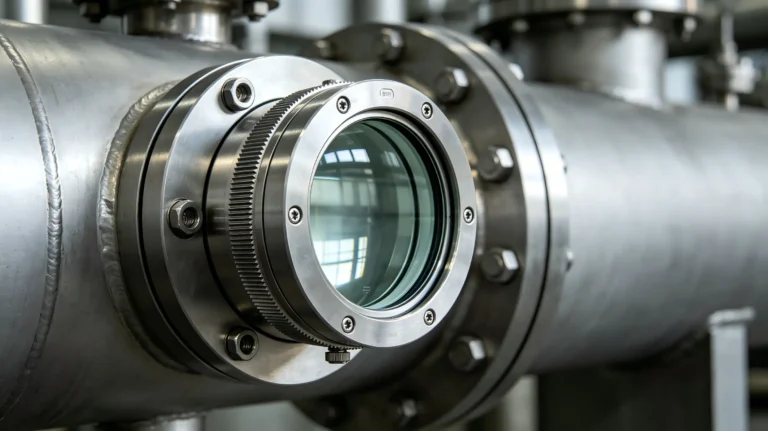
A pipeline sight glass, also called an inline sight glass or sight flow indicator, is a visual inspection device installed directly into a process pipeline. Unlike an electronic flow sensor, it allows operators to look through a transparent viewing window and directly observe what is happening inside the pipe.
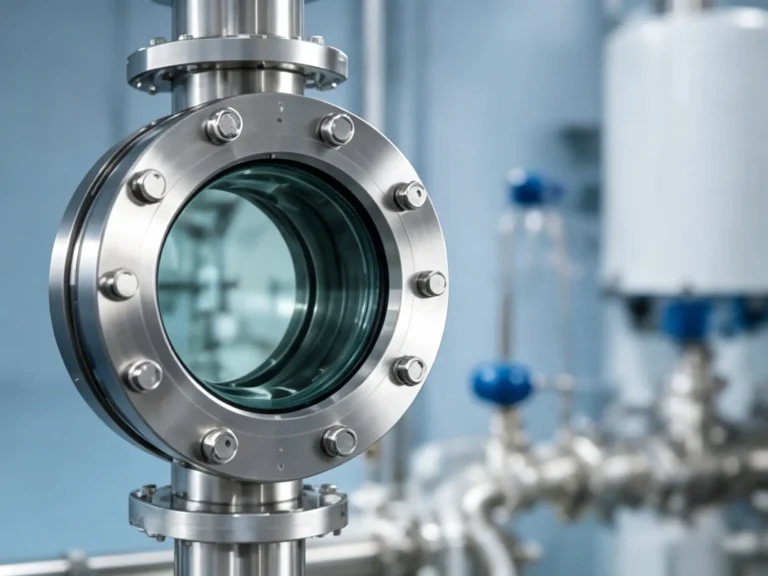
The pipeline sight glass working principle is relatively simple. The device creates a sealed viewing section within the pipeline while maintaining the flow path of the process medium. As liquid, gas or other process material passes through the sight glass, the operator can observe the flow through one or more glass windows.
Depending on the design, a pipeline sight glass may provide simple visual observation or may include an internal indicator such as a rotor, spinner, flapper or drip tube to make low or difficult-to-see flow easier to identify.
Key Point:
A standard pipeline sight glass is primarily a visual inspection device. It confirms whether a process medium is flowing and allows operators to observe its visible characteristics, but it should not automatically be considered a precision flow meter.
What Is a Pipeline Sight Glass?
A pipeline sight glass is an inline component installed between two sections of process piping. Its main purpose is to provide a transparent window through which operators can visually inspect the process medium without opening the pipeline or interrupting production.
Depending on the application, the observed medium may include water, oil, chemicals, solvents, steam condensate, gases, pharmaceutical liquids, food products or other process fluids.
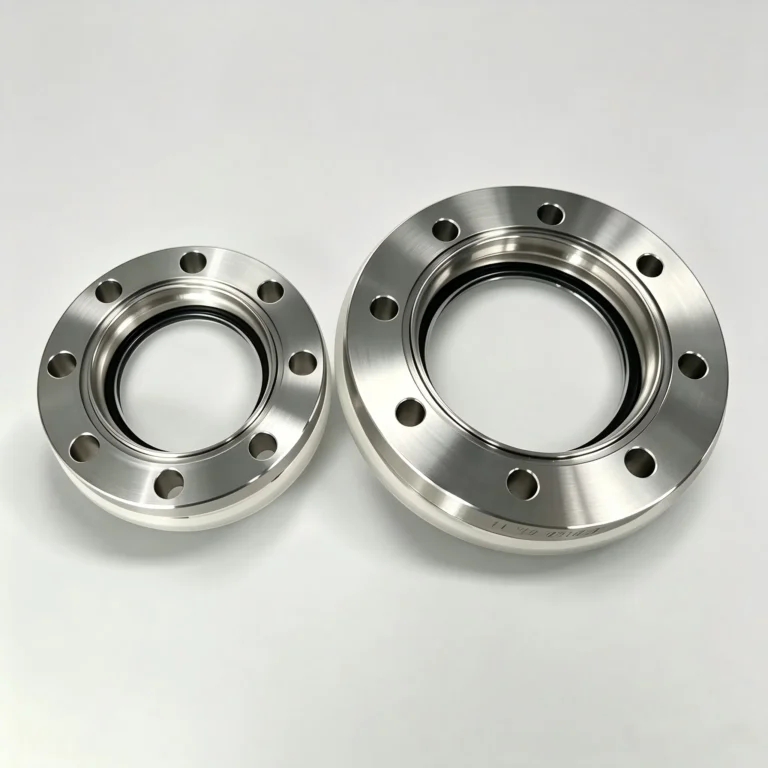
Industrial pipeline sight glasses are commonly manufactured with a metal body and transparent glass elements. Stainless steel is widely used where corrosion resistance and hygienic construction are required, while other metals can be selected according to pressure, temperature and process compatibility.
Pipeline Sight Glass Working Principle
The working principle of an inline sight glass can be understood in four basic steps:
- Installation in the pipeline: The sight glass is connected between two sections of piping using flanged, threaded, welded or sanitary connections.
- Process medium enters the sight glass: The liquid or gas continues through the internal passage of the sight glass as part of the normal pipeline flow.
- Light passes through the viewing window: The transparent glass allows the operator to see the process medium inside the pipeline.
- Visual inspection is performed: The operator can check the presence and direction of flow and observe visible characteristics such as color, clarity, turbulence, bubbles, foam or suspended particles.
In a simple sight glass, the glass window itself provides the visual indication. In a sight flow indicator equipped with an internal moving element, the process flow causes the element to move, rotate or deflect, making the presence and approximate behavior of the flow easier to recognize.
Process Fluid → Pipeline Sight Glass → Transparent Window → Visual Observation
The pipeline remains closed while the operator visually checks the process condition.
Main Components of a Pipeline Sight Glass
Although designs vary according to pressure rating, connection type and application, a typical industrial pipeline sight glass consists of several basic components.
| Component | Function |
|---|---|
| Body | Provides the main pressure-containing structure and connects the sight glass to the pipeline. |
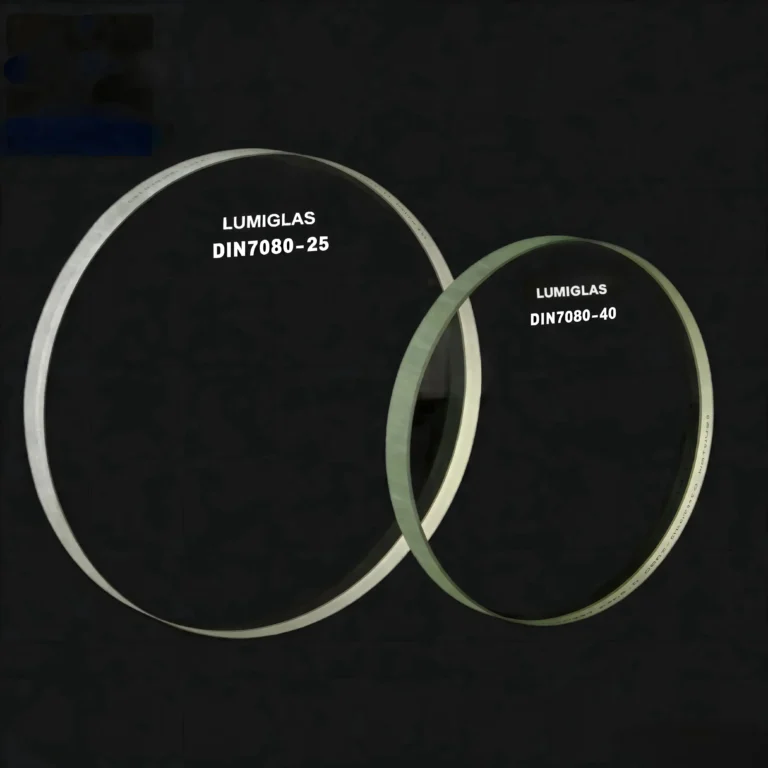
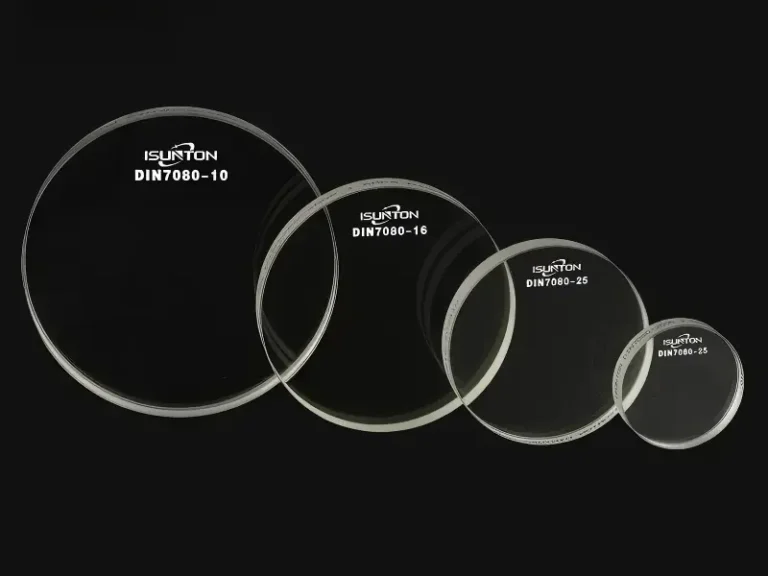
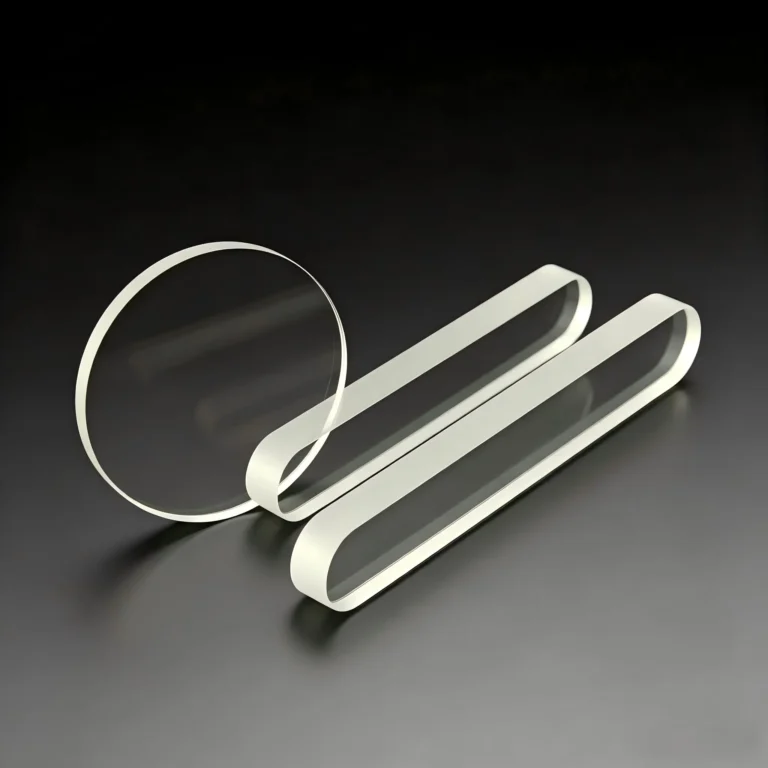
| Glass Window | Provides a transparent viewing area for observing the process medium. |
| Gasket or Seal | Seals the glass and helps prevent process fluid leakage. |
| Cover or Retaining Ring | Secures the glass and applies the required sealing load. |
| Optional Flow Indicator | Rotor, spinner, flapper or other indicator can improve visibility of flow. |
How Does a Sight Flow Indicator Show Flow?
Not every pipeline sight glass contains a moving indicator. A basic transparent sight glass relies on direct observation. If the fluid has sufficient contrast, movement or turbulence, the operator can see the process flow through the glass.
For clear liquids, gases or low-flow conditions, however, it may be difficult to determine whether the medium is actually moving. In these situations, a sight flow indicator may incorporate a mechanical indicating element.
Rotary or Spinner Indicator
A rotary indicator uses a rotor or spinner placed in the flow path. When the process fluid passes through the sight glass, the flow causes the rotor to rotate. The movement provides an easy visual indication that flow is present and can give a general impression of relative flow activity.
Flapper Indicator
A flapper-style indicator uses a hinged element that moves in response to the process flow. The position or movement of the flapper can indicate the presence and general direction of flow. This type is commonly selected when visual confirmation is more important than precise flow measurement.
Drip Indicator
Drip indicators are designed to make intermittent or low-volume liquid flow easier to observe. They are particularly useful in applications where operators need to visually confirm condensate or liquid discharge.
What Can You Observe Through a Pipeline Sight Glass?
The primary advantage of a pipeline sight glass is that it provides information that may not be available from a conventional flow switch alone. Depending on the process, operators may visually inspect:
- Whether fluid is flowing or stopped
- Approximate flow direction
- Changes in fluid color
- Fluid clarity or cloudiness
- Bubbles or gas entrainment
- Foam formation
- Suspended particles or contamination
- Abnormal turbulence or unusual flow conditions
This makes a pipeline sight glass useful not only for routine process monitoring but also for troubleshooting. For example, if a pump is running but no movement can be seen through the sight glass, the operator may investigate a closed valve, blocked strainer, insufficient pump performance or another process issue.
Common Types of Pipeline Sight Glass
Pipeline sight glasses can be classified according to their body design, connection method, viewing arrangement and indication mechanism.
1. Single-Window Sight Glass
A single-window design provides a viewing port from one side of the pipeline. It is suitable when direct observation from one direction is sufficient.
2. Double-Window Sight Glass
A double-window or through-view design uses two opposing glass windows. This arrangement allows light to pass through the process medium and can provide improved visibility of transparent or lightly colored fluids.
3. Tubular Pipeline Sight Glass
Tubular sight glasses use a transparent glass tube as the viewing section. They can provide a broad viewing area and are commonly selected for applications where continuous observation around the flow path is desirable.
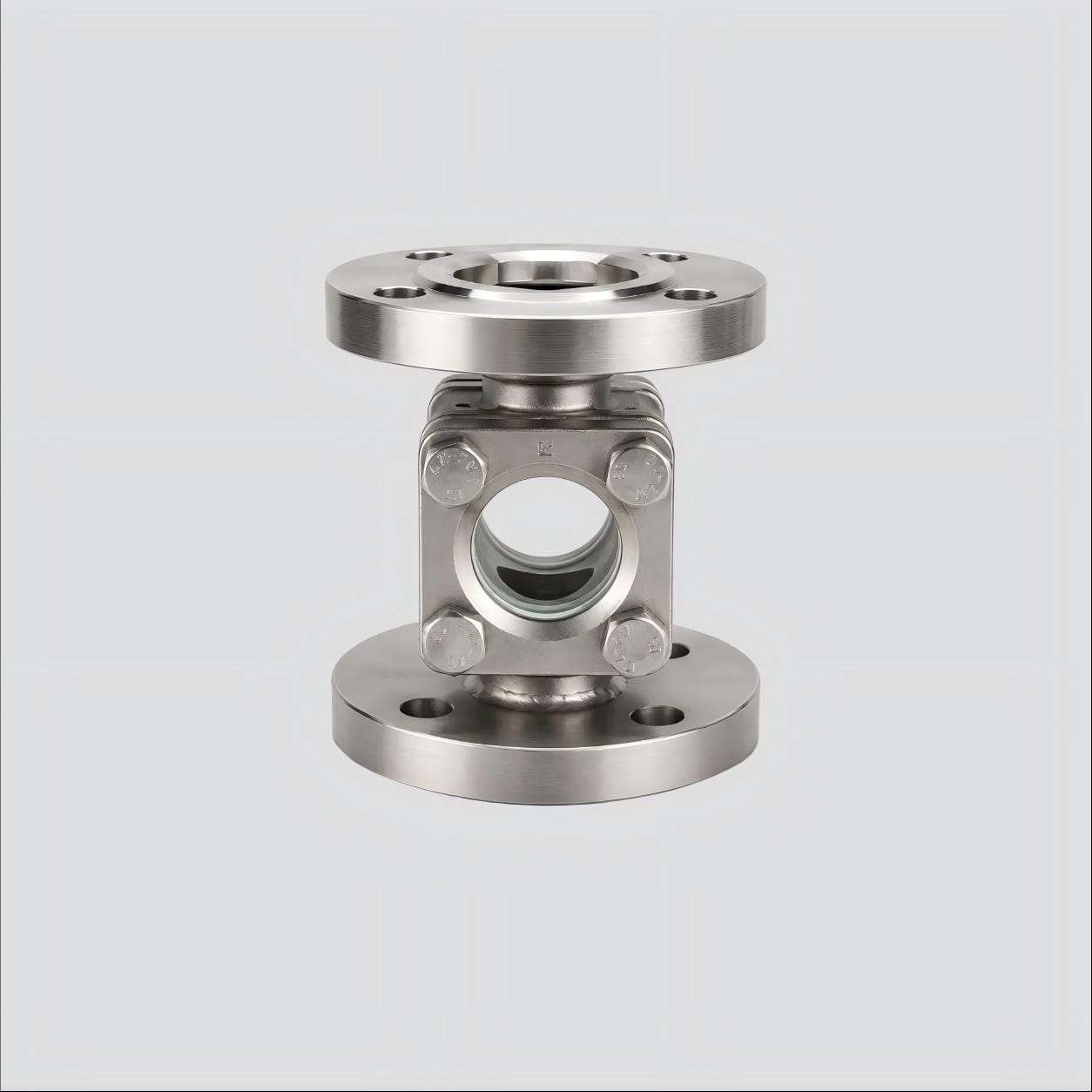
4. Flanged Pipeline Sight Glass
Flanged sight glasses are installed using pipe flanges. They are commonly selected for industrial process systems where standardized flange connections are preferred.
5. Threaded or Welded Sight Glass
Threaded and welded designs provide alternative connection methods for different piping configurations. The appropriate connection depends on pipe size, pressure, temperature, material and installation requirements.
Where Should a Pipeline Sight Glass Be Installed?
A pipeline sight glass is normally installed at a point where visual confirmation of the process is useful. The exact location depends on the purpose of inspection and the process equipment involved.
Typical installation locations include:
- Downstream of pumps
- Near valves and control equipment
- Around filters and strainers
- Downstream of heat exchangers
- Near tanks and process vessels
- In chemical processing lines
- In cooling and lubrication systems
- In pharmaceutical and food-processing systems
The installation position should also provide sufficient visibility and access for inspection and maintenance. If the process medium is dark or the pipeline is installed in a poorly illuminated area, an external sight glass light or illumination system can improve visibility.
Pipeline Sight Glass Materials
Material selection is an important part of pipeline sight glass design. The body, glass and gasket materials should be compatible with the process conditions.
Borosilicate Glass
Commonly selected for industrial sight glass applications because of its good optical clarity, chemical resistance and thermal performance.
Tempered Glass
Used in applications where enhanced mechanical strength is required, subject to the specified pressure and temperature conditions.
Stainless Steel
Stainless steel bodies such as SS304 or SS316 are widely used where corrosion resistance and durable industrial construction are required.
Gasket selection is equally important. PTFE, graphite, elastomers and other sealing materials may be considered depending on the process medium, temperature, pressure and chemical compatibility.
Pipeline Sight Glass vs. Flow Meter
A common question is whether a pipeline sight glass can replace a flow meter. In most applications, the answer is no.
| Feature | Pipeline Sight Glass | Flow Meter |
|---|---|---|
| Primary purpose | Visual inspection | Flow measurement |
| Visual observation | Yes | Usually not the primary function |
| Power requirement | Normally none | Depends on technology |
| Precise flow measurement | No | Yes, depending on meter type |
| Troubleshooting visibility | Excellent for direct visual checks | Depends on system and instrumentation |
For this reason, sight glasses and electronic flow instruments are often complementary rather than competing technologies. A flow meter can provide quantitative data, while a sight glass gives the operator direct visual confirmation of the process.
Applications of Pipeline Sight Glass
Because pipeline sight glasses provide simple and immediate visual inspection, they are used across many industrial processes.
Chemical Processing
Monitor chemical liquids, solvents and process media.
Petrochemical
Visually confirm flow and process conditions in piping systems.
Pharmaceutical
Inspect process liquids in hygienic production systems.
Food & Beverage
Observe product movement and process conditions.
Water Treatment
Check water and chemical flow in treatment systems.
Power & Energy
Monitor cooling water, condensate and other process fluids.
How to Select a Pipeline Sight Glass
Selecting the correct pipeline sight glass requires more than simply matching the pipe diameter. The complete process conditions should be considered before choosing the design and materials.
- Pipe size: Select the appropriate nominal pipe size and connection dimensions.
- Pressure: Check the maximum operating and design pressure of the pipeline.
- Temperature: Consider both normal operating temperature and possible temperature fluctuations.
- Process medium: Confirm chemical compatibility of the glass, body and gasket materials.
- Glass material: Select a suitable glass type based on optical, chemical, thermal and mechanical requirements.
- Connection type: Choose flange, threaded, welded, clamp or another connection according to the piping system.
- Viewing requirements: Determine whether a single window, double window, tubular design or illuminated configuration is required.
- Flow indication: Decide whether direct visual observation is sufficient or whether a rotor, flapper or other indicator is beneficial.
Installation and Maintenance Considerations
Proper installation is important for both sealing performance and glass service life. The sight glass should be correctly aligned with the pipeline and installed without excessive external loads or mechanical stress.
For bolted designs, the glass and gasket should be installed according to the manufacturer’s recommended procedure. Bolts should be tightened evenly and in a suitable sequence to avoid uneven loading on the glass.
During maintenance, inspect the viewing glass for cracks, chips, scratches or chemical attack. The gasket should also be checked for deterioration or leakage. If the glass becomes dirty or deposits build up on the viewing surface, cleaning may be required to restore visibility.
Important Safety Note:
A pipeline sight glass is a pressure-containing component. The glass material, thickness, body design, gasket and connection method must be selected according to the actual operating pressure, temperature and process conditions. Never exceed the manufacturer’s specified operating limits.
Frequently Asked Questions About Pipeline Sight Glass
1. What is the working principle of a pipeline sight glass?
A pipeline sight glass works as a transparent viewing section installed directly into a pipe. The process medium flows through the device while the operator observes the medium through the glass window.
2. What is the difference between a pipeline sight glass and a sight flow indicator?
The terms are sometimes used interchangeably, but a basic sight glass mainly provides direct visual observation. A sight flow indicator may include an internal mechanical element such as a rotor, spinner or flapper to make flow easier to identify.
3. Can a sight glass measure flow rate?
A standard sight glass is not a precision flow meter. Some specialized visual flow indicators can provide an approximate indication of flow, but accurate flow measurement normally requires a dedicated flow meter.
4. Can a pipeline sight glass be used for gas?
Yes. Pipeline sight glasses can be designed for gas applications, provided the body, glass, seals and pressure rating are suitable for the actual operating conditions.
5. Why is borosilicate glass commonly used in industrial sight glasses?
Borosilicate glass offers good transparency, chemical resistance and thermal performance, making it suitable for many industrial observation applications. The final glass selection should always be based on the actual pressure, temperature and chemical conditions.
6. How do I choose the right pipeline sight glass?
Consider pipe size, connection standard, operating pressure, temperature, process medium, glass material, gasket material, viewing requirements and whether an additional flow indicator is required.
Need a Pipeline Sight Glass for Your Application?
LUMISTAR supplies industrial sight glass solutions for pipeline flow observation, process inspection and visual monitoring. Different glass materials, body materials, connection types, sizes and configurations can be selected according to application requirements.
For a technical recommendation or quotation, please provide the pipe size, connection standard, medium, operating pressure and temperature.
Related terms: Pipeline Sight Glass, Inline Sight Glass, Sight Flow Indicator, Sight Glass Flow Indicator, Industrial Sight Glass, Flow Observation Window, Pipeline Flow Indicator, Sight Glass Working Principle.