Why Do Sight Glasses Break? Common Causes and How to Prevent Failure
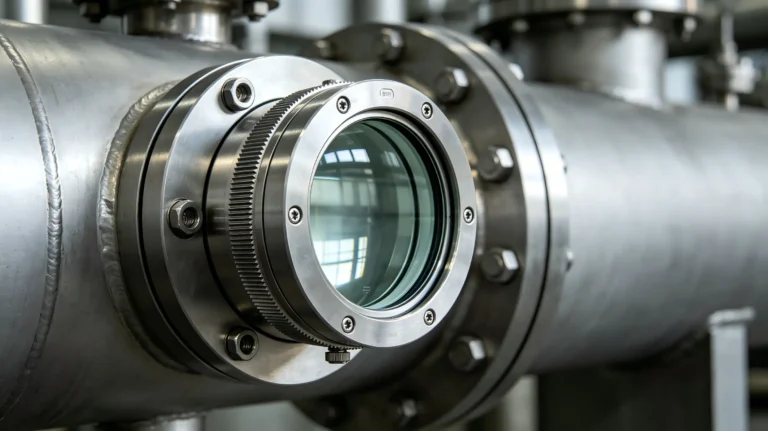
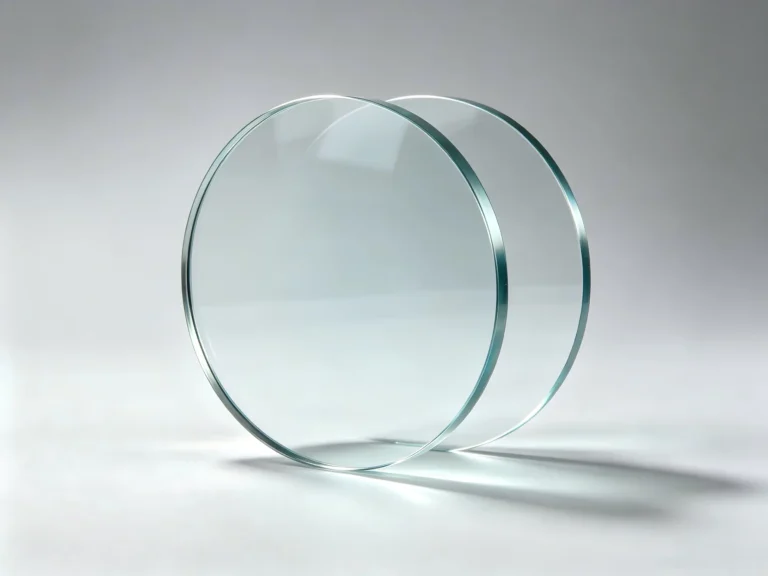
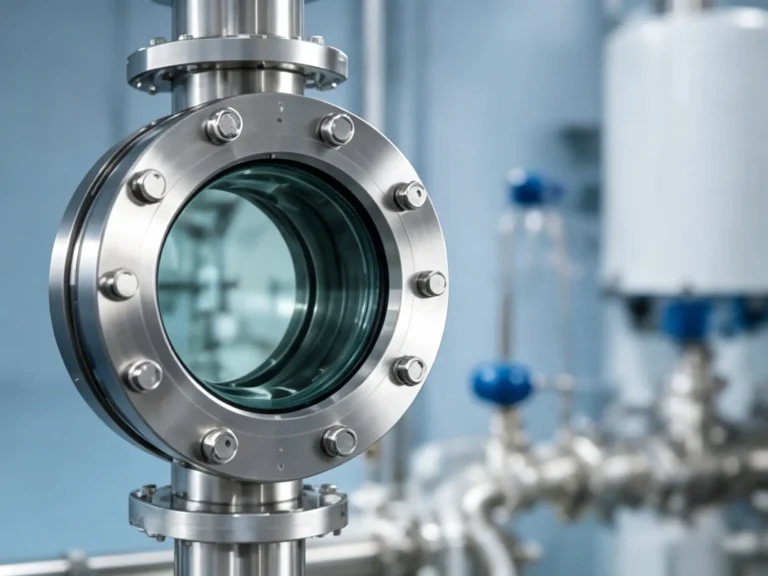
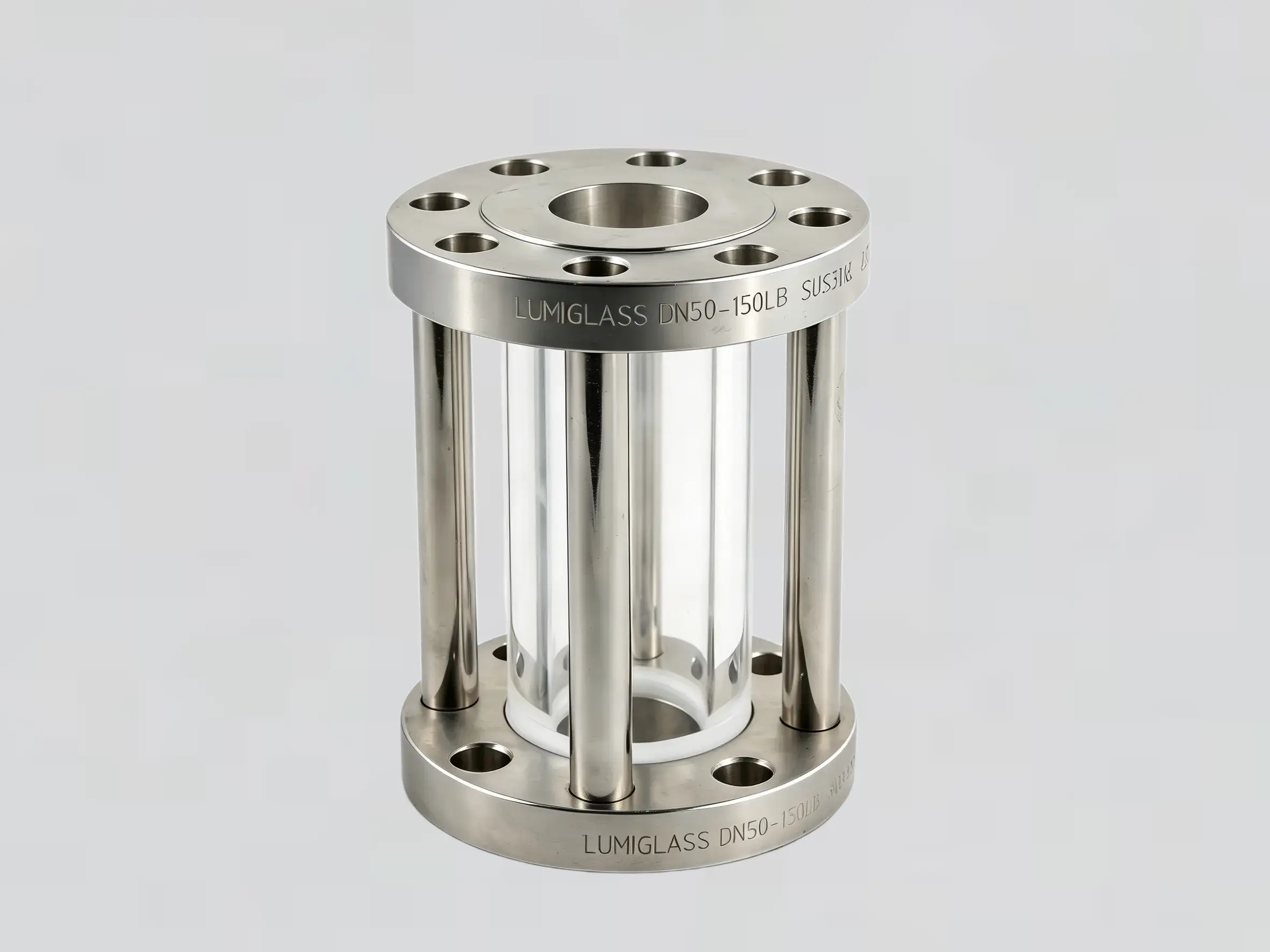
Industrial sight glasses are critical components used in pipelines, pressure vessels, reactors and process equipment to provide visual inspection of internal conditions. Although modern materials such as borosilicate glass, quartz glass, aluminosilicate glass and sapphire are engineered for harsh environments, failure can still occur when operating conditions exceed design limits or when installation and maintenance are not properly executed.
Sight glass failure is not only a maintenance issue but also a safety risk. A sudden breakage can lead to fluid leakage, chemical exposure, production downtime and equipment damage. Therefore, understanding the root causes of failure is essential for engineers and procurement specialists.
1. Thermal Shock
Thermal shock occurs when a sight glass is exposed to a rapid temperature change, creating uneven expansion across the glass surface. Because glass has low elasticity, internal stress builds quickly and may exceed its tensile strength.
This is especially common in steam systems, reactors, and cleaning processes where hot operation is followed by cold water flushing. Even borosilicate glass, which has excellent thermal resistance, has a limit to acceptable temperature gradients.
Prevention
- Gradual heating and cooling cycles
- Avoid direct cold water on hot glass
- Select quartz glass for extreme temperature environments
2. Excessive Pressure
Each sight glass is designed with a specific pressure rating based on material strength, thickness, sealing structure and flange design. When internal pressure exceeds this rating, tensile stress increases on the glass surface.
Pressure spikes are often more dangerous than steady pressure because they introduce sudden stress peaks. These spikes can occur due to pump startup, valve closure or system blockage.
Prevention
- Always verify PN/pressure class before installation
- Use reinforced sight glass for high-pressure systems
- Install pressure relief protection when needed
3. Improper Installation
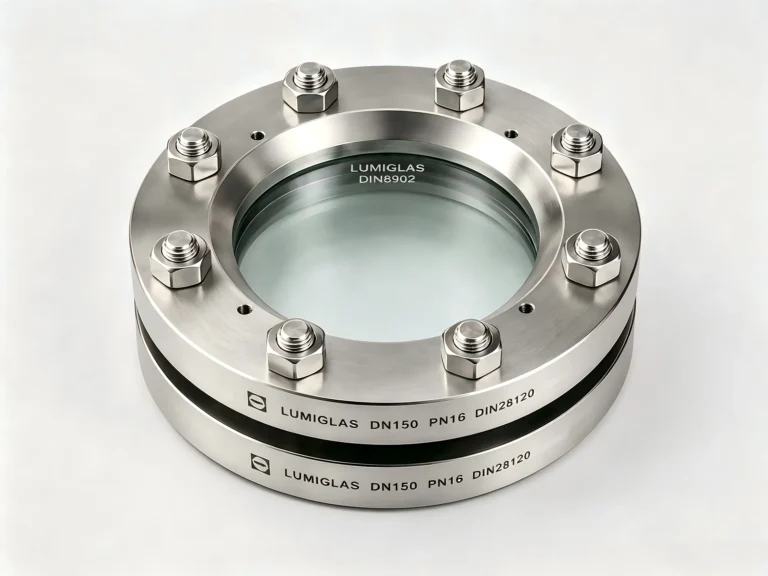
Incorrect installation is one of the most overlooked causes of sight glass failure. Uneven bolt tightening creates localized stress around the sealing surface. Over-tightening can compress the glass edge, while under-tightening may cause leakage and vibration damage.
Gasket selection also plays a critical role. Incompatible gasket materials may degrade under temperature or chemical exposure, reducing sealing performance.
Prevention
- Use torque-controlled tightening sequence
- Replace gasket during maintenance
- Follow manufacturer installation guidelines
4. Chemical Corrosion
Although borosilicate glass is resistant to most acids, certain aggressive chemicals such as hydrofluoric acid or strong alkalis can gradually attack the surface. This leads to surface etching, micro-cracks and loss of transparency.
Chemical corrosion weakens the structural integrity over time and increases failure risk under pressure or vibration conditions.
5. Mechanical Impact
Mechanical damage often occurs during transportation, installation or maintenance. Even minor scratches or impacts can create micro-fractures that propagate under operational stress.
Vibration from pumps or piping systems can also accelerate crack growth over time.
6. Material Fatigue
Repeated thermal cycling and pressure fluctuations gradually reduce the mechanical strength of glass. Even if no visible damage is present, microscopic defects accumulate over time.
Preventive replacement is recommended in critical systems.
Failure Warning Signs
- Surface scratches or cloudiness
- Small edge chips
- Leakage around sealing area
- Stress whitening or discoloration
- Frequent pressure fluctuations
Prevention Best Practices
- Select correct material (borosilicate / quartz / sapphire)
- Match pressure and temperature rating
- Follow correct installation torque
- Perform regular inspection
- Replace aged components proactively
FAQ
Which material is most durable?
Sapphire offers the highest mechanical strength, while borosilicate provides the best balance for general industrial use.
Can a scratched sight glass still be used?
No. Scratches can develop into crack initiation points under pressure.
How often should it be replaced?
It depends on operating conditions, but critical systems require scheduled inspection and preventive replacement.
Conclusion
Sight glass breakage is usually the result of operating conditions rather than manufacturing defects. Proper material selection, correct installation and preventive maintenance significantly reduce failure risk and improve system safety.
Need Industrial Sight Glass Solution?
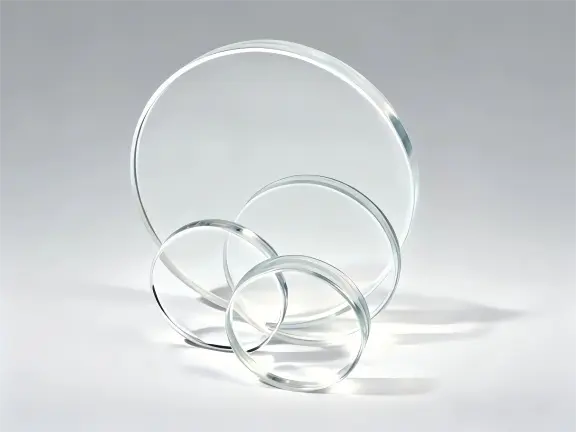
We supply borosilicate, quartz, aluminosilicate and sapphire sight glass for global industrial applications.