Sight Glass Light: Types, Applications and How to Choose the Right Illumination
A sight glass light is an illumination device designed to improve visibility through an industrial sight glass installed on a tank, vessel, reactor or pipeline. It helps operators inspect liquid levels, product flow, color changes and process conditions when ambient lighting is insufficient.
In industrial environments, a sight glass alone may not provide a clear view of the process. Dark liquids, opaque products, internal shadows and poorly lit equipment can make visual inspection difficult. A suitable sight glass lighting system can improve observation and support routine process monitoring without opening the equipment.
This guide explains how sight glass lights work, the common lighting options, important selection factors and the questions buyers should consider before choosing an industrial illumination system.
1. What Is a Sight Glass Light?
A sight glass light is an industrial lighting device used to illuminate the viewing area of a sight glass assembly. It is commonly considered for process equipment where operators need to inspect the contents of a closed tank, vessel, mixer, reactor or pipeline.
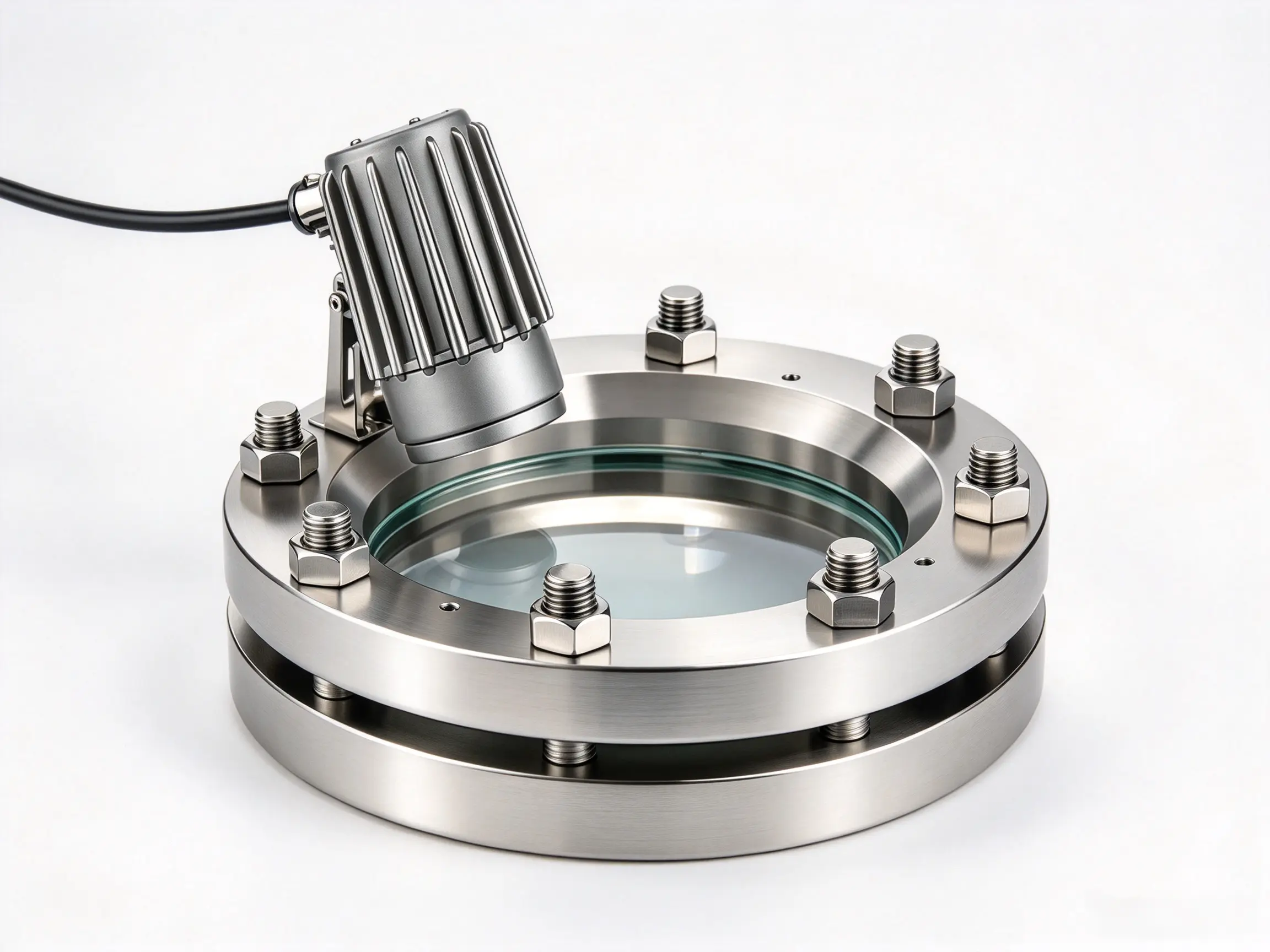
Depending on the equipment design, the light may be mounted near a vessel sight glass, integrated with a compatible fitting or positioned to illuminate the viewing area from a suitable angle. The exact arrangement depends on the equipment manufacturer’s design and the installation requirements.
What Can a Sight Glass Light Help Operators Observe?
- Liquid presence and approximate level, where the sight glass configuration supports level observation.
- Fluid movement and flow conditions inside compatible viewing sections.
- Changes in product color or appearance.
- Visible particles, foam or changes in clarity, where the process medium allows them to be seen.
- General visual conditions inside tanks and process vessels.
Illumination improves visibility but does not replace process sensors, level transmitters or other instruments when precise measurement or automated control is required.
2. Why Is Sight Glass Illumination Important?
Industrial equipment is often installed in enclosed areas, behind protective structures or in locations with limited ambient light. Even when the sight glass itself has excellent optical clarity, insufficient illumination can make the process difficult to observe.
Improved Visibility
A suitable light source helps illuminate the viewing area and may make fluid movement, product appearance and changes inside the equipment easier to identify. The result depends on the light output, mounting angle, glass properties and characteristics of the process medium.
More Convenient Process Inspection
Operators can inspect the process visually without relying entirely on external lighting. This can be particularly useful for equipment that is operated continuously or requires frequent visual checks.
Support for Quality Monitoring
In applications where product appearance matters, illumination can help operators identify visible changes during processing. However, visual inspection alone cannot confirm product composition, sterility or other properties that require dedicated testing.
3. Common Types of Sight Glass Lights
Sight glass lighting systems differ in their light source, mounting arrangement and intended environment. The following categories are useful starting points when comparing options. Actual product availability and specifications should be confirmed with the manufacturer.
3.1 LED Sight Glass Lights
LED illumination is a common option for modern industrial lighting because LEDs can provide efficient light output, a compact design and a long service life under suitable operating conditions.
When evaluating an LED sight glass light, check its light output, beam angle, color temperature, power supply, enclosure protection and allowable ambient temperature. A higher brightness rating is not automatically better if it creates glare or uneven illumination.
3.2 Compact or Integrated Lighting Units
Some installations use compact lights designed to fit close to a sight glass or compatible mounting point. These arrangements can reduce the space required for installation, but the light must be compatible with the fitting geometry and must not interfere with inspection, maintenance or other equipment.
3.3 Remote-Mounted Lighting
A remote-mounted light may be suitable when the viewing area is difficult to access or the installation has limited mounting space. The light is positioned to illuminate the glass from an appropriate angle.
This arrangement requires attention to alignment, shadows, reflections and the protection of electrical connections. The mounting solution should be evaluated for the specific equipment and operating environment.
| Lighting Option | Potential Advantages | Key Considerations |
|---|---|---|
| LED sight glass light | Efficient lighting and compact designs are available | Brightness, heat management, power supply and enclosure rating |
| Compact or integrated unit | Can suit installations with limited mounting space | Fitting compatibility and maintenance access |
| Remote-mounted light | Flexible positioning for selected installations | Beam alignment, shadows, glare and cable protection |
4. How to Choose the Right Sight Glass Light
Selecting a sight glass light requires more than choosing a lamp with sufficient brightness. The light, sight glass, mounting arrangement and operating environment must work together.
4.1 Check the Sight Glass Size and Viewing Area
The diameter or dimensions of the viewing area affect how the light should be positioned. A light intended for a small inspection window may not illuminate a larger vessel sight glass evenly.
Before ordering, confirm the sight glass diameter, assembly design, mounting space and the distance between the light source and the viewing window.
4.2 Determine the Required Brightness
The appropriate brightness depends on the size of the viewing area, the transparency of the process medium, the ambient lighting and the viewing distance. Dark or opaque products may require a different lighting arrangement from clear liquids.
Ask the supplier for the available light output and beam characteristics. Consider glare and reflections as well as brightness, particularly when operators need to inspect the process for extended periods.
4.3 Confirm the Temperature Conditions
Industrial vessels and pipelines may operate at elevated temperatures. The light’s permitted ambient temperature and its distance from hot surfaces must be checked before installation.
Do not assume that a light is suitable for direct contact with a hot vessel or for use near steam simply because its housing is made from metal. Confirm the manufacturer’s operating limits for the complete lighting unit.
4.4 Check Water and Dust Protection
The required enclosure protection depends on the installation environment. Equipment exposed to splashing, washdown, dust or outdoor conditions may need a different protection level from equipment installed in a dry indoor area.
Review the manufacturer’s stated IP rating and the conditions under which it applies. An IP rating alone does not establish chemical resistance, hygienic suitability, explosion protection or suitability for every cleaning process.
4.5 Verify the Electrical Requirements
Confirm the required supply voltage, power consumption, connector type, cable arrangement and applicable electrical certifications. If the light will be installed in a hazardous area, the equipment must have the appropriate approval for that specific zone and application.
4.6 Consider Maintenance and Cleaning
The light should be accessible for inspection and maintenance without creating unnecessary difficulty for operators. For hygienic applications, review exposed surfaces, potential residue traps, cleaning methods and compatibility with the site’s cleaning chemicals.
5. Sight Glass Lighting for Tanks, Pipelines and Process Vessels
Tank Sight Glass Lighting
Tank sight glass lights are used where operators need to inspect the contents of storage tanks, mixing tanks or other vessels. The installation should provide a useful view of the intended inspection area while remaining compatible with the vessel’s design and operating conditions.
Pipeline Sight Glass Lighting
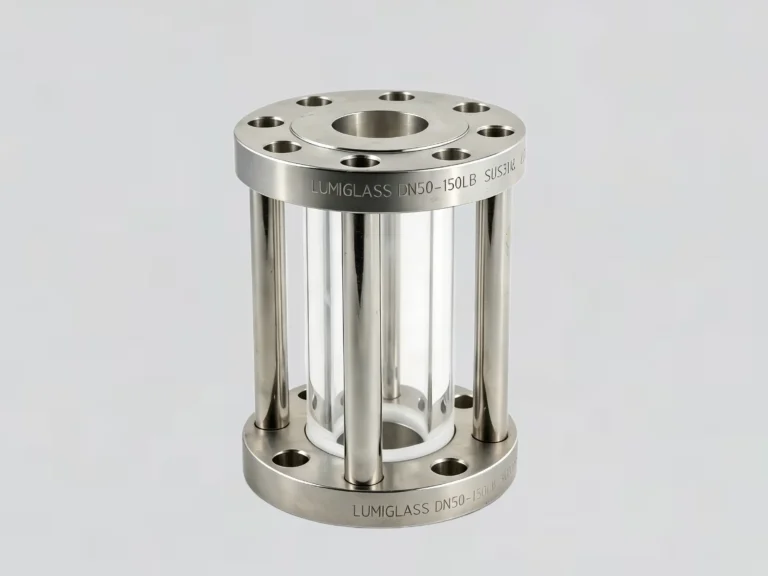
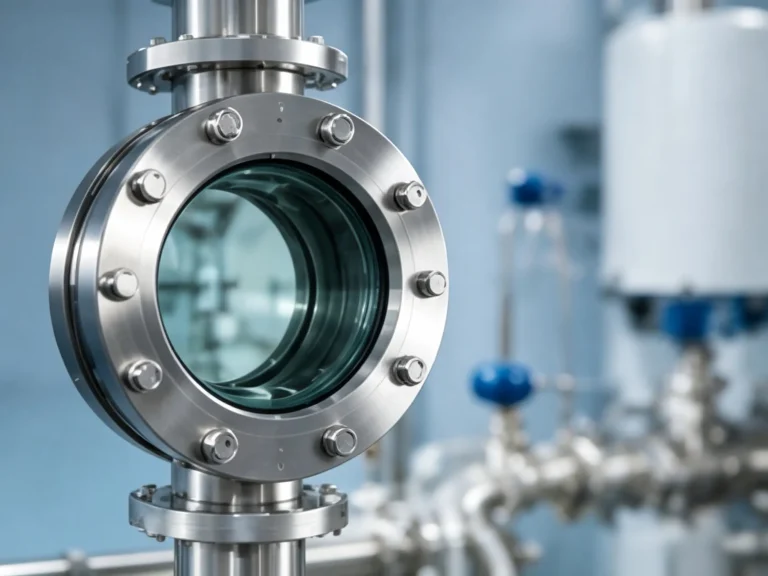
A pipeline sight glass allows operators to observe the process medium moving through a compatible viewing section. Lighting may improve visibility when the pipeline is located in a dim area or when the fluid is difficult to observe under ambient light.
The light must be positioned so that it does not obstruct the viewing path or interfere with nearby valves, instruments or maintenance activities. Confirm that the lighting arrangement is compatible with the specific pipeline sight glass assembly.
Reactor and Mixer Sight Glass Lighting
In reactors and mixers, sight glass illumination may help operators observe visible process changes, fluid movement or mixing conditions. Selection should consider the equipment layout, internal reflections, temperature, vibration and the manufacturer’s mounting recommendations.
Food and Pharmaceutical Equipment
For food, beverage and pharmaceutical applications, the lighting system should be evaluated as part of the overall hygienic equipment design. Smooth and cleanable external surfaces, suitable materials, protection against moisture and compatibility with cleaning procedures may be important.
A light described as industrial or waterproof is not automatically suitable for hygienic or aseptic service. Confirm the applicable equipment and hygiene requirements with the manufacturer.
6. Can a Sight Glass Light Be Used with Any Sight Glass?
No. Compatibility depends on the sight glass design, available mounting space, viewing direction, electrical requirements and operating environment. A light designed for one assembly may not fit another, even if the viewing windows have similar dimensions.
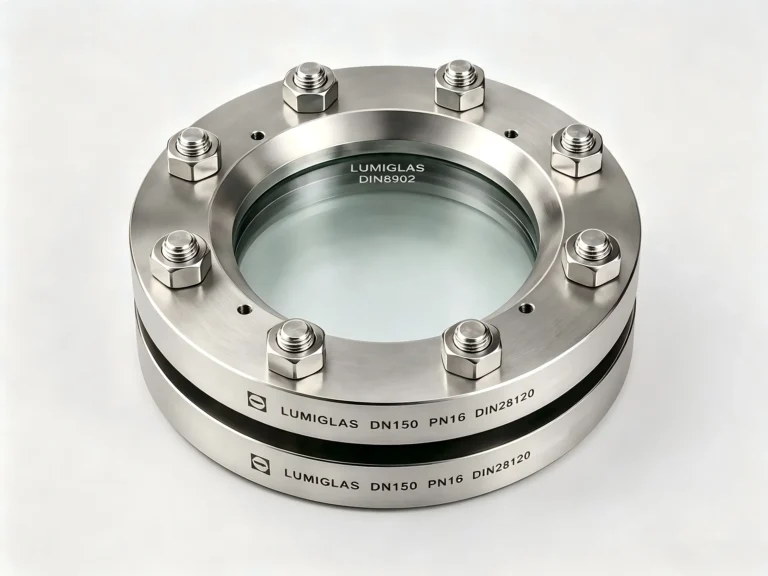
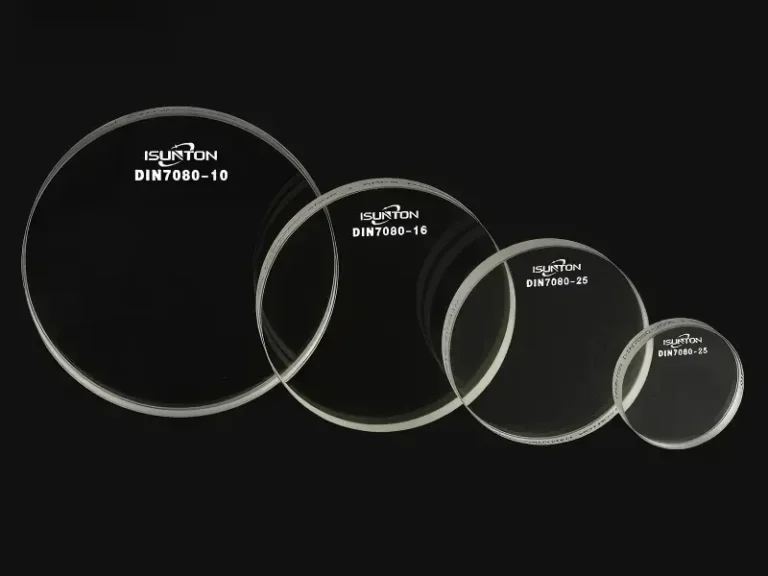
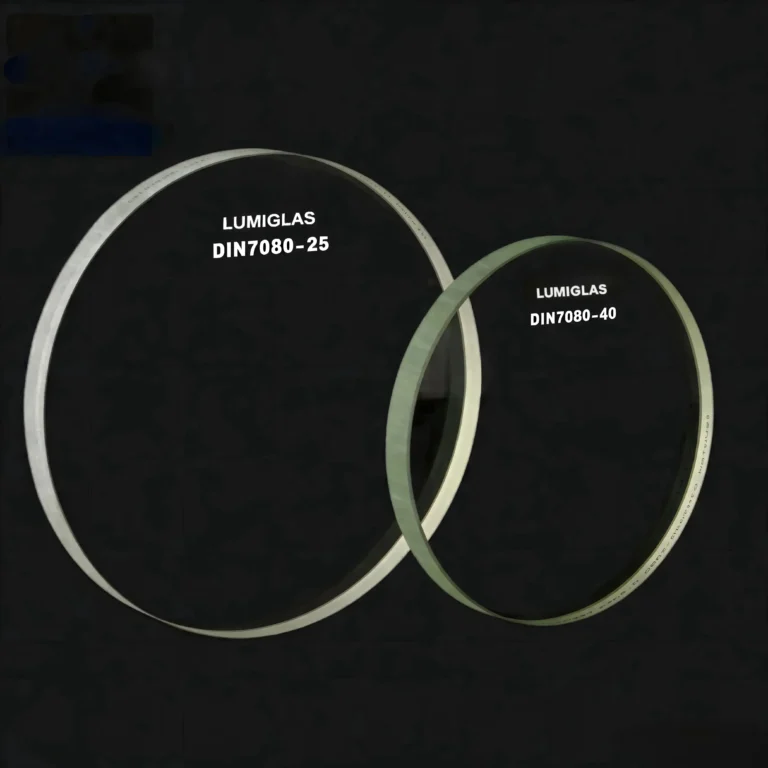
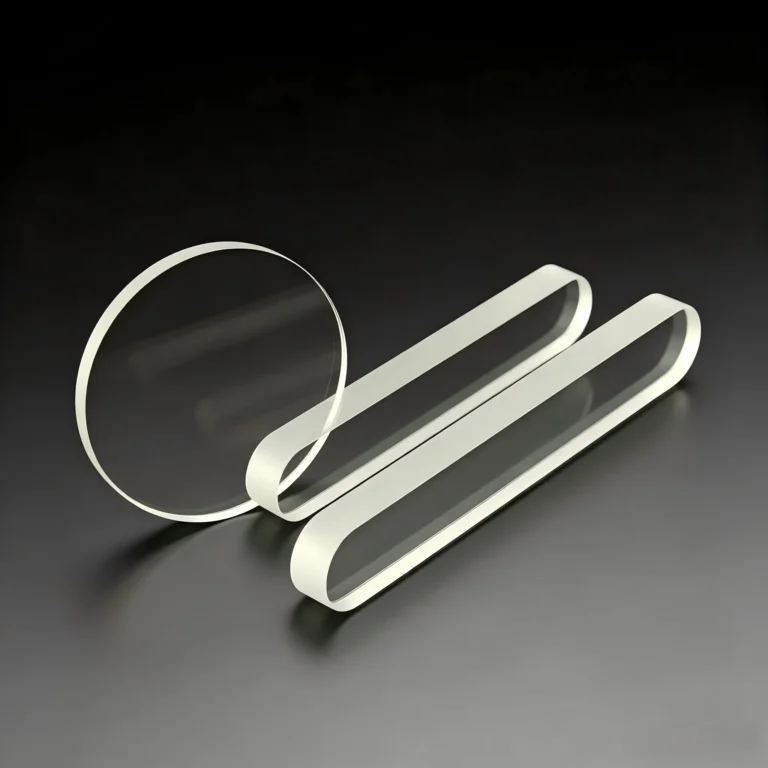
For example, a vessel sight glass with a dedicated lighting connection may require a different solution from a simple circular glass disc installed between flanges. A threaded or weld-in sight glass assembly may also have its own space and mounting constraints.
Before selecting a light, confirm whether the existing assembly supports illumination and whether the light can be installed without affecting the glass, seals, equipment integrity or maintenance access.
If you are sourcing a new sight glass assembly, it is useful to discuss the lighting requirement at the same time. This allows the glass dimensions, fitting geometry and illumination arrangement to be reviewed together.
7. Common Mistakes When Selecting Sight Glass Lighting
Choosing by Brightness Alone
High light output does not guarantee good visibility. Poor positioning can create glare, reflections or shadows. Consider the viewing angle and the properties of the process medium as well as brightness.
Ignoring the Operating Temperature
A light that works well in a normal indoor environment may not be suitable near a hot vessel or in an area exposed to steam. Verify the permitted ambient temperature and installation conditions.
Overlooking Electrical and Hazardous-Area Requirements
Electrical supply compatibility is essential. Where flammable gases, vapors or combustible dust may be present, ordinary industrial lighting must not be assumed to be suitable. Select equipment with the approvals required for the installation.
Failing to Check Mounting Compatibility
The light must fit the available mounting arrangement and illuminate the intended viewing area. Confirm the drawing, dimensions and installation method before placing an order.
8. Sight Glass Light Selection Checklist
Use the following checklist when requesting a quotation or checking whether a lighting unit is compatible with an existing sight glass.
- Sight glass type: Vessel, pipeline, threaded, weld-in or another configuration.
- Viewing dimensions: Diameter, length, width and available viewing area.
- Mounting arrangement: Existing light connection, available space and installation direction.
- Lighting requirements: Desired brightness, beam characteristics and inspection distance.
- Electrical requirements: Supply voltage, power, connector and cable arrangement.
- Operating environment: Ambient temperature, moisture, dust, vibration and exposure to chemicals.
- Cleaning requirements: Washdown, cleaning chemicals and hygienic design requirements.
- Certifications: Any required electrical, hazardous-area or industry-specific approvals.
- Documentation: Product datasheet, dimensional drawing and installation instructions.
- Quantity: Required quantity and whether the project needs a customized configuration.
A photograph of the existing assembly and a dimensional drawing can help the supplier assess compatibility. For critical installations, confirm all technical details before purchasing or modifying the equipment.
9. Frequently Asked Questions About Sight Glass Lights
What is a sight glass light used for?
A sight glass light illuminates the viewing area of industrial equipment so operators can more easily observe visible process conditions inside tanks, vessels and pipelines.
Are LED sight glass lights a good option?
LED lights can offer efficient illumination and compact construction. The appropriate model depends on the required brightness, operating temperature, electrical supply, enclosure protection and installation conditions.
Can I add a light to an existing sight glass?
Sometimes. The existing assembly must have a compatible mounting arrangement or sufficient space for a suitable lighting solution. Check the equipment drawing and consult the manufacturer before modifying the installation.
What IP rating should a sight glass light have?
There is no single IP rating suitable for every installation. The required rating depends on exposure to dust, moisture, splashing and washdown. Chemical resistance, hygienic suitability and hazardous-area approval must be evaluated separately where applicable.
Can sight glass lighting be used in food and pharmaceutical equipment?
Yes, where the selected light and installation are suitable for the specific application. Review cleanability, material compatibility, moisture protection and any required hygienic or regulatory specifications.
Can one sight glass light fit different sight glass sizes?
Compatibility varies by model and mounting design. Confirm the viewing dimensions, mounting interface, installation clearance and required illumination before choosing a light for a different sight glass size.
What information is needed for a sight glass light quotation?
Provide the sight glass type, dimensions, mounting arrangement, operating environment, electrical requirements, required certifications and quantity. A drawing or photograph of the existing assembly can help clarify the requirements.
10. Conclusion: Choosing a Suitable Sight Glass Lighting System
A suitable sight glass light can improve visibility during the inspection of tanks, process vessels and pipelines. However, good illumination depends on more than brightness. The lighting unit must be compatible with the viewing area, mounting arrangement, operating temperature, electrical supply and environmental conditions.
For industrial projects, review the sight glass and lighting requirements together whenever possible. This helps identify installation constraints early and reduces the risk of selecting an incompatible component.
Before ordering, confirm the relevant specifications with the manufacturer and request a dimensional drawing or datasheet where needed.
Looking for a Sight Glass or Compatible Lighting Solution?
Lumistar Special Glass provides industrial sight glass solutions for process equipment and pipelines. Share your sight glass dimensions, assembly drawing, operating conditions and lighting requirements so our team can review your application.
“`