Vacuum Viewport Window Selection Guide: Materials, Types and Applications
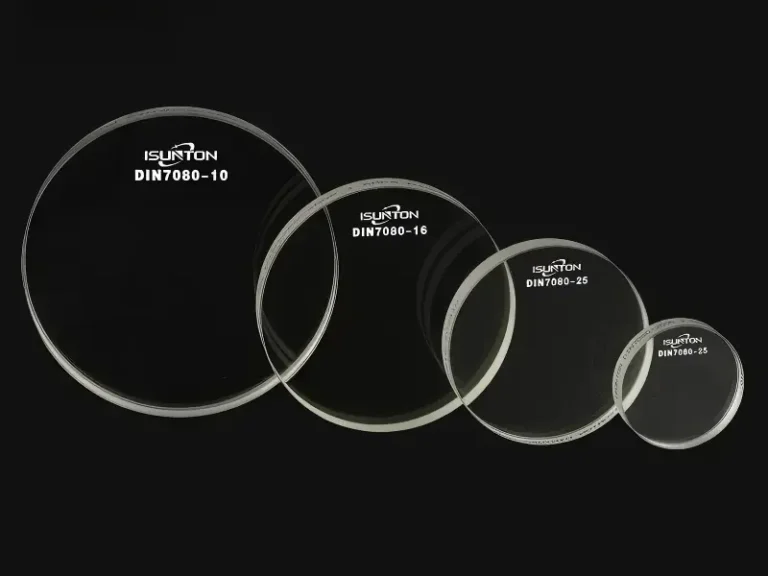
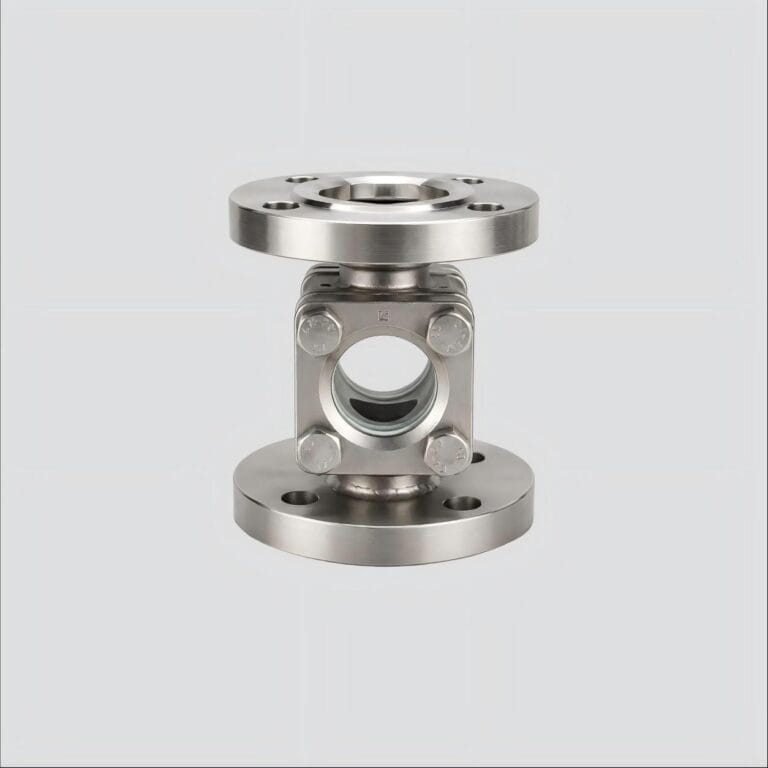
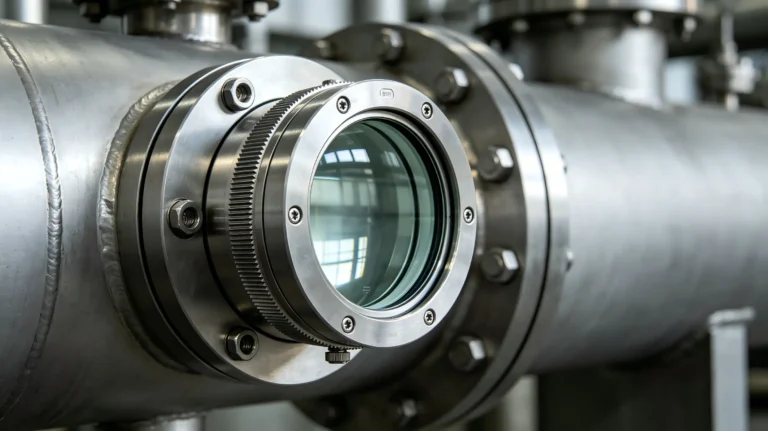
A vacuum viewport window is an essential component used in vacuum chambers and vacuum systems to provide visual access while maintaining vacuum integrity.
It allows operators and engineers to observe internal processes without affecting the vacuum environment.
Selecting the right vacuum viewport requires careful consideration of material properties, vacuum level, sealing method, temperature resistance and application requirements.
Key Factors When Selecting Vacuum Viewport Window:
- Vacuum level requirement (HV or UHV)
- Glass material selection
- Flange type and sealing method
- Operating temperature range
- Optical transmission requirements
What Is a Vacuum Viewport Window?
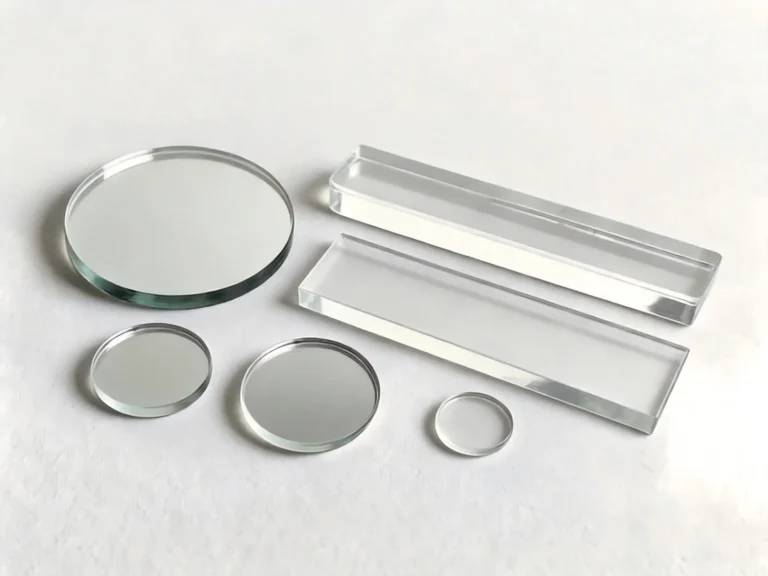
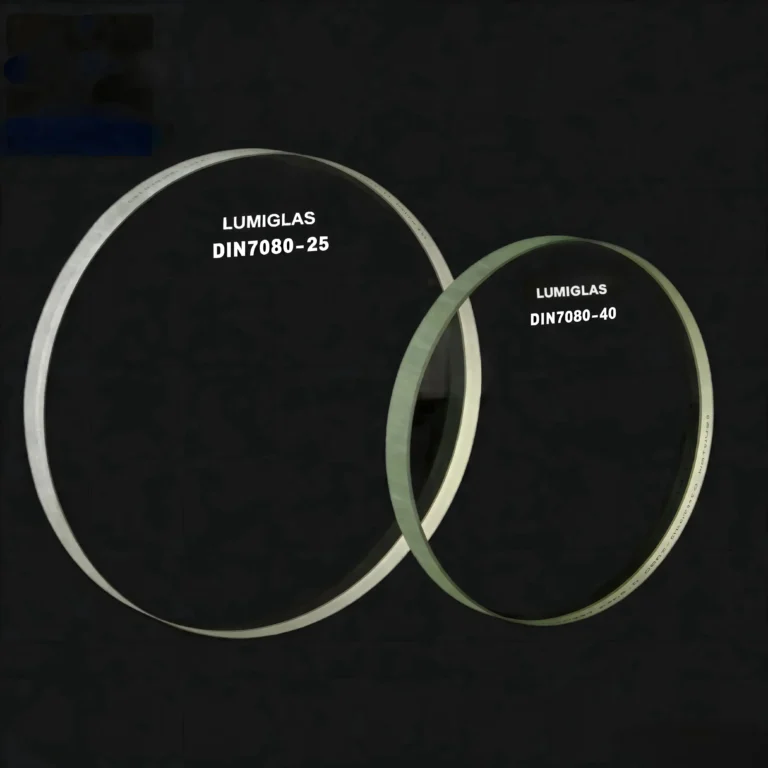
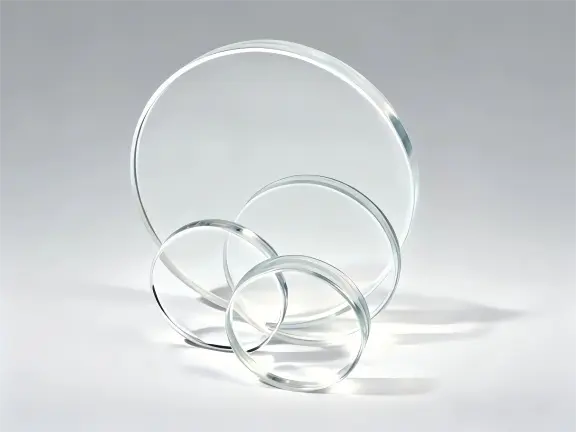
A vacuum viewport window is a transparent optical component installed on a vacuum chamber, allowing users to visually monitor internal conditions while maintaining a sealed vacuum environment.
Unlike ordinary glass windows, vacuum viewport windows are specially designed to withstand atmospheric pressure loads, vacuum forces and demanding industrial environments.
They are commonly used in semiconductor equipment, coating systems, vacuum furnaces, scientific instruments and research equipment.
Main Types of Vacuum Viewport Windows
Different vacuum applications require different viewport designs.
The selection mainly depends on vacuum level, flange connection and optical requirements.
| Type | Features | Application |
|---|---|---|
| KF Vacuum Viewport | Quick installation and replacement | Laboratory and medium vacuum systems |
| ISO Vacuum Viewport | Large diameter vacuum connection | Industrial vacuum equipment |
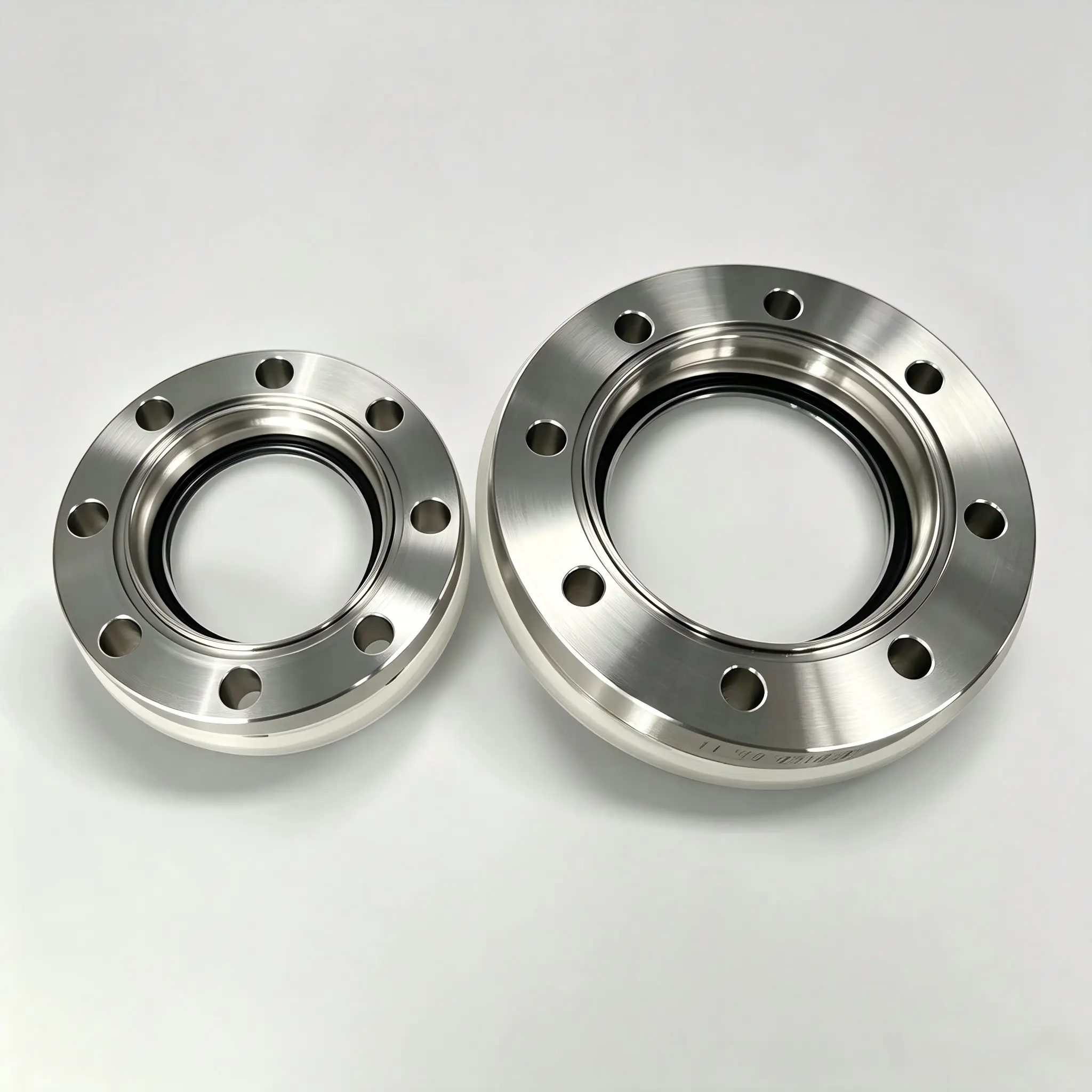
| CF Vacuum Viewport | Metal gasket sealing for ultra high vacuum | Semiconductor and scientific equipment |
| Custom Vacuum Window | Designed according to customer requirements | Special industrial applications |
Vacuum Viewport Window Materials Selection
The optical material is one of the most important factors affecting vacuum viewport performance.
Different glass materials provide different levels of optical transmission, temperature resistance and durability.
| Material | Advantages | Typical Application |
|---|---|---|
| Borosilicate Glass | Good thermal resistance and cost-effective | General vacuum systems |
| Quartz Glass | Excellent temperature resistance and UV transmission | High temperature and optical applications |
| Sapphire Glass | Extremely high hardness and wear resistance | Harsh environments and high power systems |
Vacuum Level Selection: High Vacuum (HV) vs Ultra High Vacuum (UHV)
The required vacuum level is one of the most important factors when selecting a vacuum viewport window.
Different vacuum ranges require different flange designs, sealing technologies and glass materials.
| Vacuum Level | Pressure Range | Recommended Viewport Type | Typical Application |
|---|---|---|---|
| Medium Vacuum | 10⁻³ mbar and above | KF viewport window | Laboratory systems, vacuum testing equipment |
| High Vacuum (HV) | 10⁻³ to 10⁻⁷ mbar | KF or ISO viewport | Industrial coating equipment, vacuum chambers |
| Ultra High Vacuum (UHV) | Below 10⁻⁷ mbar | CF viewport window | Semiconductor, research instruments, particle physics equipment |
For ultra high vacuum applications, CF flanges with metal gasket sealing are normally preferred because they provide excellent leak resistance and long-term stability.
KF vs CF Vacuum Viewport Window: What Is the Difference?
KF and CF are two common vacuum flange systems used for viewport installation.
The main difference is the sealing method and achievable vacuum level.
| Feature | KF Vacuum Viewport | CF Vacuum Viewport |
|---|---|---|
| Connection Type | Quick clamp flange | ConFlat knife edge flange |
| Sealing Material | O-ring seal | Copper gasket seal |
| Vacuum Level | High vacuum applications | Ultra high vacuum applications |
| Installation | Easy installation and replacement | Requires precise installation |
| Temperature Resistance | Limited by elastomer material | Suitable for high temperature baking systems |
Vacuum Viewport Sealing Technology
The sealing structure determines the vacuum performance and reliability of a viewport window.
Different sealing methods are selected according to vacuum requirements and operating temperature.
| Sealing Method | Features | Application |
|---|---|---|
| O-ring Sealing | Flexible and easy maintenance | KF viewport and general vacuum systems |
| Metal Gasket Sealing | Excellent vacuum tightness and temperature resistance | CF UHV viewport systems |
| Glass-to-Metal Bonding | Permanent hermetic sealing | Special vacuum optical components |
Temperature and Pressure Considerations for Vacuum Viewport Window
A vacuum viewport window must withstand atmospheric pressure loads from outside the vacuum chamber while maintaining optical performance.
Temperature conditions must also be considered during material selection.
Important Design Factors:
- Pressure Difference:
The viewport must safely withstand one atmosphere pressure differential during vacuum operation. - Glass Thickness:
Larger viewing windows usually require increased thickness for mechanical strength. - Thermal Expansion:
Glass and metal materials must have compatible expansion characteristics. - Heating Process:
High temperature vacuum systems may require quartz or sapphire materials.
Applications of Vacuum Viewport Window
Vacuum viewport windows are widely used in industries where visual observation is required inside a vacuum environment.
They provide reliable optical access while maintaining vacuum performance.
- Semiconductor Manufacturing:
Used in wafer processing equipment, deposition systems and plasma chambers. - Vacuum Coating Equipment:
Provides observation during PVD, CVD and optical coating processes. - Scientific Research Equipment:
Used in laboratories, particle accelerators and experimental vacuum systems. - Vacuum Furnaces:
Suitable for high temperature vacuum heating and material processing systems. - Industrial Vacuum Chambers:
Used for testing, inspection and production equipment.
Borosilicate vs Quartz vs Sapphire Vacuum Viewport Window
Choosing the correct optical material is critical for vacuum viewport performance.
Different materials provide different levels of temperature resistance, hardness and optical transmission.
| Material | Advantages | Recommended Application |
|---|---|---|
| Borosilicate Glass | Good thermal shock resistance, chemical stability and economical cost | General vacuum chambers and industrial systems |
| Quartz Glass (Fused Silica) | Excellent high temperature resistance and UV transmission | High temperature vacuum equipment and optical applications |
| Sapphire Glass | Extremely high hardness, wear resistance and pressure strength | Harsh environments, semiconductor and high power systems |
How to Select the Right Vacuum Viewport Window?
Before selecting a vacuum viewport window, engineers should evaluate the complete operating environment and equipment requirements.
Selection Checklist:
- Vacuum Level:
Determine whether the system requires HV or UHV performance. - Flange Type:
Select KF, ISO or CF connection according to vacuum design. - Glass Material:
Choose borosilicate, quartz or sapphire according to temperature and optical requirements. - Viewport Size:
Confirm viewing diameter and installation space. - Operating Temperature:
Consider heating cycles and thermal expansion. - Optical Requirement:
Consider wavelength transmission and observation purpose.
Why Choose Lumistar Vacuum Viewport Windows?
Lumistar specializes in manufacturing high-quality vacuum viewport windows and optical glass components for industrial and scientific applications.
Our vacuum viewport solutions include KF viewport windows, CF vacuum viewports, quartz windows, sapphire windows and customized vacuum optical components.
Lumistar Vacuum Viewport Advantages:
- Professional vacuum optical component manufacturer
- Multiple glass material options
- KF, ISO and CF flange solutions available
- Customized dimensions according to drawings
- Suitable for high vacuum and ultra high vacuum applications
- Strict quality inspection before shipment
Frequently Asked Questions About Vacuum Viewport Window
Q1: What is a vacuum viewport window used for?
A vacuum viewport window allows visual observation inside a vacuum chamber while maintaining the required vacuum level.
Q2: What glass material is best for vacuum viewport?
Borosilicate glass is commonly used for general applications, quartz is preferred for high temperature and UV applications, while sapphire is selected for extreme environments requiring high hardness.
Q3: What is the difference between KF and CF viewport?
KF viewport windows use elastomer sealing and are suitable for high vacuum systems, while CF viewport windows use metal gasket sealing and are designed for ultra high vacuum applications.
Q4: Can vacuum viewport windows be customized?
Yes. Lumistar can customize glass material, diameter, thickness, flange type and sealing structure according to customer requirements.
Q5: What information is required for vacuum viewport quotation?
Please provide flange type, vacuum level, glass material, size, temperature requirement and quantity for accurate quotation.
Need a Customized Vacuum Viewport Window?
Contact Lumistar for vacuum optical windows designed for your specific application.