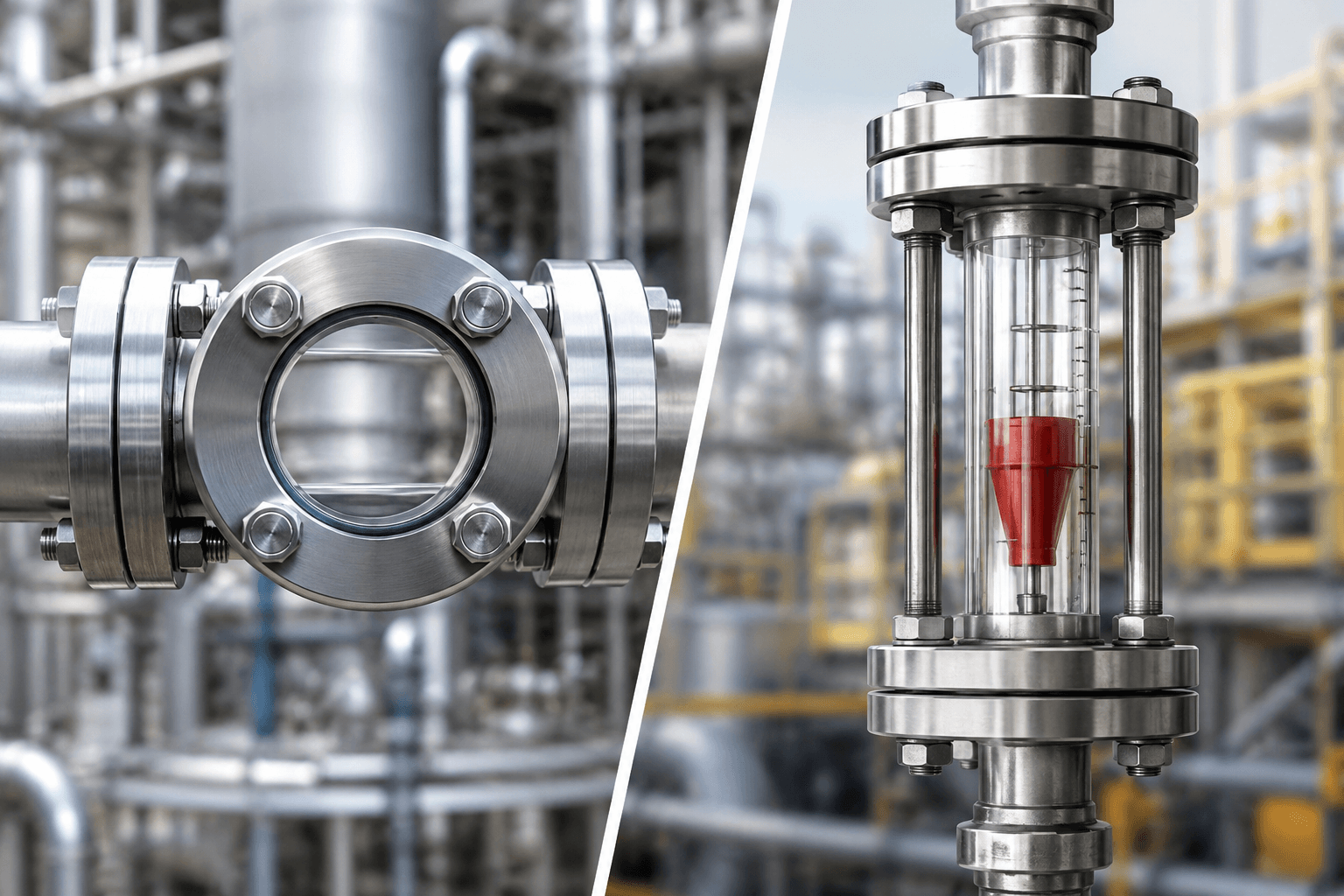
Pipeline Sight Glass vs Flow Indicator: Key Differences & Selection Guide
Pipeline Sight Glass vs Flow Indicator: Key Differences & Selection Guide
In industrial pipeline systems, monitoring fluid flow is essential for safety, process control, and system efficiency.
Two commonly used devices for visual monitoring are the pipeline sight glass and the flow indicator.
Although they are often confused with each other, they serve different purposes and are designed with different structures.
while a flow indicator mainly confirms whether flow is present or not.
What Is a Pipeline Sight Glass?
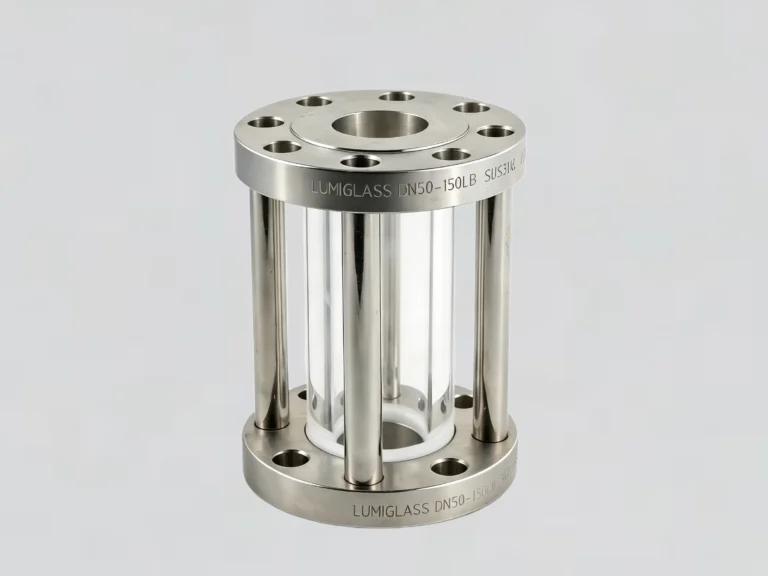
A pipeline sight glass is an inline transparent viewing component installed directly into industrial pipelines.
It allows operators to visually observe the real-time condition of the fluid inside the system.
This includes flow direction, color, clarity, and potential contamination.
In many industries such as chemical processing, pharmaceutical production, and food manufacturing,
pipeline sight glasses are critical for ensuring process safety and quality control.
- Provides full visual inspection of fluid
- Allows real-time process monitoring
- No mechanical moving parts
- Suitable for corrosive and clean media
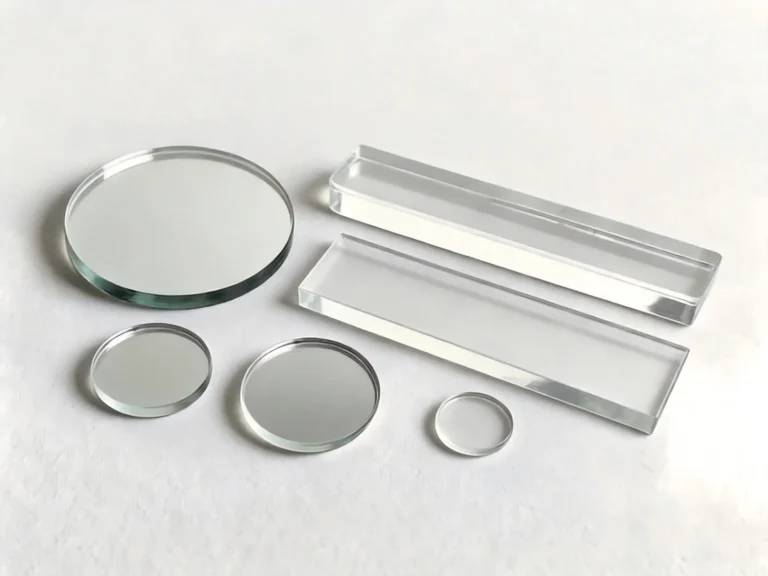
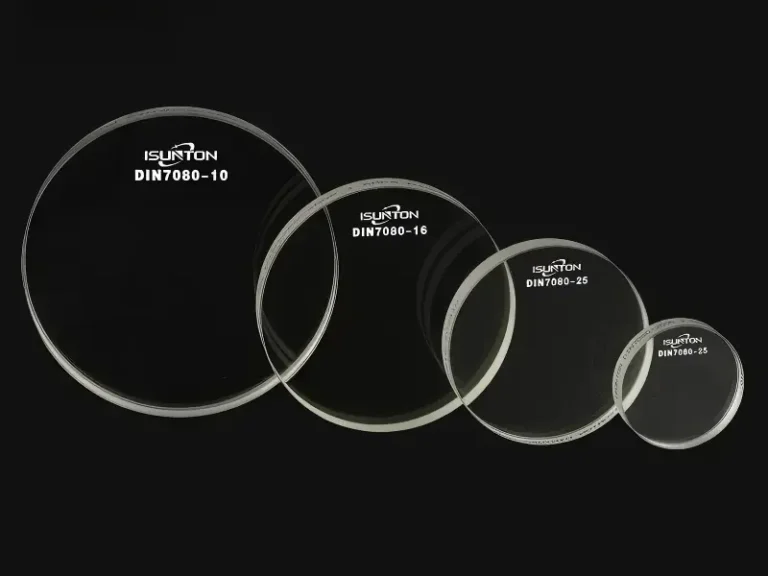
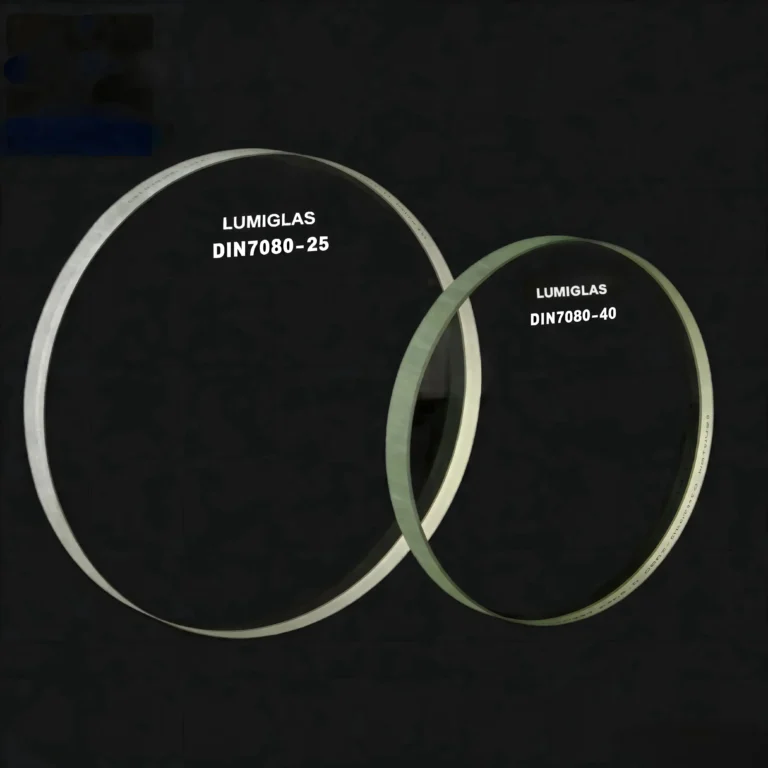
- Can be made from borosilicate, quartz, or sapphire glass
What Is a Flow Indicator?
A flow indicator is a device used to confirm whether fluid is flowing inside a pipeline.
Unlike a sight glass, it does not always provide full visibility of the fluid condition.
Instead, it typically uses a mechanical element such as a rotor, paddle, or flap that moves when flow is present.
Flow indicators are commonly used in systems where only flow presence verification is required rather than full visual inspection.
- Indicates flow presence or absence
- Uses mechanical moving parts
- Limited visual information
- Common in cooling water and lubrication systems
- Lower cost compared to sight glass systems
Key Differences Between Pipeline Sight Glass and Flow Indicator
| Feature | Pipeline Sight Glass | Flow Indicator |
|---|---|---|
| Function | Full visual inspection | Flow presence detection |
| Visibility | Transparent observation | Limited visual signal |
| Structure | Glass window design | Mechanical components |
| Maintenance | Low | Medium |
| Cost | Higher | Lower |
Applications in Industry
Both pipeline sight glasses and flow indicators are widely used across industrial sectors.
However, their applications differ depending on process requirements.
- Chemical processing pipelines
- Pharmaceutical production systems
- Food and beverage processing lines
- Oil and gas transportation systems
- Cooling water circulation systems
- Water treatment facilities
How to Choose the Right Solution
Selecting between a pipeline sight glass and a flow indicator depends on your system requirements.
If your application requires detailed monitoring of fluid condition, a sight glass is the best choice.
If you only need to confirm whether flow exists, a flow indicator may be sufficient.
- Need full observation → Pipeline sight glass
- Need simple flow check → Flow indicator
- Corrosive media → Borosilicate or quartz glass
- High pressure system → Reinforced sight glass design
- Budget-sensitive project → Flow indicator
Frequently Asked Questions
1. Is a pipeline sight glass safe?
Yes, when properly designed and installed according to pressure and temperature requirements.
2. What is the main difference between the two?
Sight glass provides full visual inspection, while flow indicators only show flow presence.
3. Which industries use these devices?
Chemical, pharmaceutical, food processing, oil & gas, and water treatment industries.
4. Can sight glass be customized?
Yes, material, size, and pressure rating can be customized.
5. Which material is best for sight glass?
Borosilicate glass is widely used, while sapphire is used for extreme conditions.
Looking for High-Quality Pipeline Sight Glass?
We manufacture custom pipeline sight glass solutions for industrial applications worldwide.